Category: Uncategorized

  • Grow Your Business Online: The Ultimate Digital Marketing Guide

    Grow Your Business Online: The Ultimate Digital Marketing Guide

    Modern businesses need to make changes because consumers and technologies present shifting patterns in the digital age. Companies have welcomed digital marketing as their transformational tool which helps them access worldwide customers and expand their product presence while producing substantial revenue growth. Entrepreneurs can successfully expand their businesses through a complex set of online digital strategies which include search engine optimization (SEO) together with social media marketing.

    Understanding Digital Marketing

    All processes which seek to reach possible customers directly through Internet platforms comprise digital marketing. Digital strategies operate through data empowerment while delivering customized interactions for customers unlike classic marketing approaches. The method consists of multiple elements among which are:

    • Search Engine Optimization (SEO) helps websites achieve greater search results placement in search engine listings.
    • Companies utilize Pay-Per-Click Advertising (PPC) as a method to fund paid advertising that generates traffic.
    • Content Marketing enables businesses to develop helpful information materials which attract and educate their audience base.
    • Businesses can use social platforms through Social Media Marketing to build interactions with their customers.
    • The implementation of targeted email actions serves to build relationships with existing prospects.
    • Businesses use Affiliate Marketing by teaming up with influencers together with affiliates to generate more sales.
    • The implementation of data analysis tools helps organizations enhance their marketing tactics to gain better results.

    The Role of Digital Marketing in Business Growth

    1. Expanding Market Reach

    Through digital marketing businesses benefit from eradicated geographic boundaries so they can market to clients from anywhere. Small companies implementing strategic marketing plans can successfully target market categories that match their products and services to outcompete chief industry competitors.

    2. Cost-Effective Marketing

    Digital marketing provides businesses with more affordable alternatives when compared to conventional marketing approaches including television advertising and print advertisement. Social media campaigns and SEO together with email marketing allow businesses to achieve high returns on investment through their minimal investment requirements.

    3. Enhanced Customer Engagement

    Through combined use of chatbots and personalized emailed communications and social media interventions companies can maintain direct real-time connections with their customers. The development of two-way interaction fosters trust alongside retaining loyal customer relations.

    4. Improved Brand Awareness

    When businesses promote themselves through digital channels they achieve better brand exposure to their audience. The regular combination of SEO and content marketing activities allows companies to develop authority across their industry as they build customer trust and brand reliability.

    5. Data-Driven Decision Making

    The digital marketing tools reveal detailed information about consumer preferences together with their activities and market trends. The data analysis allows businesses to enhance their marketing approaches which leads to better lead acquisition and conversion results.

    6. Higher Conversion Rates

    Strategies to specifically target and reengage customers through digital marketing transform visitor-to-lead ratios. Businesses achieve conversions by designing optimized webpages with strong call-to-action elements together with tailored special offers that lead prospective customers to execute their decisions.

    7. Mobile Marketing for On-the-Go Customers

    The increasing popularity of mobile technology gives businesses an opportunity to communicate with their customers through smartphones. The fair capture of mobile audiences depends heavily on responsive websites along with mobile application promotion and text message marketing systems.

    Digital Marketing provides specific strategic frameworks that enable online business expansion

    1. Search Engine Optimization (SEO)

    Organic traffic comes from SEO which enables businesses to appear higher in search engine results such as Google. Essential SEO techniques include:

    • Keyword research and optimization
    • High-quality content creation
    • Mobile responsiveness
    • Link building
    • User experience (UX) enhancements

    2. Content Marketing

    Digital marketing operations start and end with content delivery. A well-planned content strategy includes:

    • Blog posts and articles
    • Infographics and videos
    • E-books and whitepapers
    • Case studies and testimonials

    3. Social Media Marketing

    A combination of Facebook alongside Instagram and LinkedIn and Twitter functions to increase brand engagement with audiences. Key practices include:

    • The use of interactive content elements such as polls quizzes and live broadcast videos should be implemented.
    • Running targeted ad campaigns
    • Collaborating with influencers
    • The company stays in touch with its followers by responding to their comments and messages.

    4. Pay-Per-Click Advertising (PPC)

    PPC advertising provides businesses access to targeted audiences through their paid ads operated on Google Ads and Facebook Ads. Effective PPC strategies include:

    • Keyword bidding and research
    • Ad copy optimization
    • A/B testing for performance improvement
    • Landing page optimization

    5. Email Marketing

    Digital marketing relies heavily on email marketing since this technique continues to deliver remarkable outcomes. Successful email campaigns include:

    • Personalized email content
    • Segmentation of email lists
    • Automated follow-ups
    • Compelling subject lines

    6. Affiliate and Influencer Marketing

    The collaboration between brands and affiliates together with influencers allows businesses to expand their market coverage. This strategy involves:

    • Collaborating with industry influencers
    • Offering commission-based affiliate programs
    • Encouraging user-generated content

    7. Marketing Automation

    The efficiency of marketing activities improves through automation tools which also save time for marketing teams. Key automation tools include:

    • Customer Relationship Management (CRM) software
    • Email automation platforms
    • Chatbots for instant customer support
    • AI-driven analytics for trend predictions

    Measuring Digital Marketing Success

    Monitoring performance stands as vital for the improvement of digital marketing techniques. Key performance indicators (KPIs) include:

    • Website traffic and user behavior
    • Conversion rates
    • Return on ad spend (ROAS)
    • Social media engagement metrics
    • Email open and click-through rates

    Future Trends in Digital Marketing

    The digital marketing industry maintains its ongoing transformation into better and newer directions. Upcoming trends include:

    1. Artificial Intelligence (AI) in Marketing

    AI marketing tools enable businesses to assess data while carrying out automated procedures and tailoring customized customer engagements.

    2. Voice Search Optimization

    Businesses should optimize their voice searchable content to maintain their position in the market since voice search adoption continues to rise.

    3. Augmented Reality (AR) & Virtual Reality (VR)

    The use of augmented reality with virtual reality technology generates deep brand encounters that enable improved customer interactions while delivering better product imagery to users.

    4. Video Marketing Dominance

    Businesses use video content particularly through live streaming and short-form videos as they maintain their position as powerful engagement tools.

    5. Interactive Content

    User participation grows through interactive infographics alongside polls and quizzes because these features deliver real-time customer feedback about market preferences.

    Conclusion

    Business expansion through digital marketing represents the optimal method for Internet-based growth. Strategic utilization of Search Engine Optimization with content marketing along with social media and developing technologies enables companies to improve brand presence and customer relationships for lasting business expansion. The future of sustainable business success in digital marketing depends on maintaining leadership in evolving trends and adopting progressive marketing strategies.

  • Revolutionizing Business Growth with Digital Marketing

    Revolutionizing Business Growth with Digital Marketing

    Modern businesses need to adjust their strategies to match shifting customer trends together with new technological developments. Digital marketing transformed the business landscape by helping companies find worldwide customers while building their brand identity and producing revenue expansion. The combination of search engine optimization (SEO) and social media marketing through digital strategies enables business owners to discover multiple ways for growth transformation.

    Understanding Digital Marketing

    All efforts to reach potential customers online belong under the scope of digital marketing. The main approach behind digital marketing differs from conventional methods since it utilizes analytical information to deliver customized experiences for customers. The components of this approach consists of several different features:

    • An SEO strategy boosts websites so they become more noticeable to search engine users.
    • The implementation of Pay-Per-Click Advertising (PPC) features paid advertisement vehicles to direct traffic flow.
    • Marketers conduct Content Marketing by developing information platforms that reach and educate their target audiences.
    • Through Social Media Marketing companies use social platforms for customer engagement.
    • The process of directing specialized email messages to customers functions as a lead cultivation strategy.
    • The growth of sales relies on building relationships with influential individuals who promote products through affiliate partnerships.
    • Marketers use analytics to monitor data for crafting better strategies as well as to maximize operational effectiveness.

    The Role of Digital Marketing in Business Growth

    1. Expanding Market Reach

    Through digital marketing businesses acquire worldwide reach because the approach demolishes location restrictions. Small enterprises can match up against market leaders through niche marketing strategies even though they possess limited size.

    2. Cost-Effective Marketing

    Businesses find less expensive solutions through digital marketing than with traditional advertising platforms which include television and print advertising. Social media campaigns and email marketing together with SEO initiatives demand small financial input yet produce substantial ROI returns.

    3. Enhanced Customer Engagement

    Having tools such as chatbots combined with requested emails and social media interaction allows companies to maintain live connection with their audience. The practice of two-way communication helps develop trust between businesses and their customers as it improves their relationships.

    4. Improved Brand Awareness

    Digital marketing creates stronger opportunities for businesses to show up in front of potential customers through enhanced brand visibility. Consistent SEO work combined with content marketing helps businesses take the lead in their industry to build consumer trust.

    5. Data-Driven Decision Making

    The digital marketing ecosystem delivers crucial information about customer conduct together with their specific preferences while providing business intelligence on market-oriented patterns. The analysis of this information helps businesses make better marketing choices which results in superior lead acquisition with higher conversion statistics.

    6. Higher Conversion Rates

    Digital marketing achieves higher conversion rates through its accurate audience selection and tagging systems. The combination of optimally designed pages and effective calls-to-action (CTAs) and customized offers pushes prospects toward desired actions.

    7. Mobile Marketing for On-the-Go Customers

    The increasing mobile trend enables digital marketing to assist businesses in contacting their customers through their smartphones. The ability to serve mobile audiences depends heavily on three essential elements including websites that work on mobile devices and app advertisements with SMS marketing campaigns.

    Several Digital Marketing Approaches That Enhance Business Expansion

    1. Search Engine Optimization (SEO)

    The implementation of SEO within businesses lets organizations gain better search engine positions which leads to natural traffic from users. Essential SEO techniques include:

    • Keyword research and optimization
    • High-quality content creation
    • Mobile responsiveness
    • Link building
    • User experience (UX) enhancements

    2. Content Marketing

    Digital marketing functions through content which establishes as its fundamental organizational element. A well-planned content strategy includes:

    • Blog posts and articles
    • Infographics and videos
    • E-books and whitepapers
    • Case studies and testimonials

    3. Social Media Marketing

    Businesses that use Facebook in combination with Instagram and LinkedIn and Twitter obtain better brand connection with users. Key practices include:

    • Digital marketers should generate interactive material by developing polls along with quizzes and producing live video broadcasts.
    • Running targeted ad campaigns
    • Collaborating with influencers
    • Businesses enhance follower engagement by responding to their comments as well as messages.

    4. Pay-Per-Click Advertising (PPC)

    PPC campaigns direct businesses to their audience via paid online advertisements displayed on Google Ads and Facebook Ads platforms. Effective PPC strategies include:

    • Keyword bidding and research
    • Ad copy optimization
    • A/B testing for performance improvements
    • Landing page optimization

    5. Email Marketing

    Digital marketing professionals consider email marketing as one of the essential tools for creating successful marketing strategies online. Successful email campaigns include:

    • Personalized email content
    • Segmentation of email lists
    • Automated follow-ups
    • Compelling subject lines

    6. Affiliate and Influencer Marketing

    The use of affiliate networks together with influencers helps brands develop new customer bases. This strategy involves:

    • Collaborating with industry influencers
    • Offering commission-based affiliate programs
    • Encouraging user-generated content

    7. Marketing Automation

    Marketing automation tools optimise operational processes to decrease system resources usage while enhancing operational output. Key automation tools include:

    • Customer Relationship Management (CRM) software
    • Email automation platforms
    • Chatbots for instant customer support
    • AI-driven analytics for trend predictions

    Measuring Digital Marketing Success

    Digital marketing strategy development needs performance tracking as an essential component. Key performance indicators (KPIs) include:

    • Website traffic and user behavior
    • Conversion rates
    • Return on ad spend (ROAS)
    • Social media engagement metrics
    • Email open and click-through rates

    Future Trends in Digital Marketing

    The digital marketing sector shows continuous development in its present and upcoming digital regime. Upcoming trends include:

    1. Artificial Intelligence (AI) in Marketing

    Through AI-driven marketing solutions organizations can review patterns in data while enabling automated processes and tailoring their interactions with customers.

    2. Voice Search Optimization

    Businesses need to make their content voice query optimized to survive the competitive market landscape because of increasing voice search popularity.

    3. Augmented Reality (AR) & Virtual Reality (VR)

    AR and VR technologies generate comprehensive brand interactions which generate better customer engagement while helping customers better view products.

    4. Video Marketing Dominance

    Video platforms remain influential engagement methods because they include live streaming capabilities and brief video segments.

    5. Interactive Content

    User engagement strengthens through interactive infographics and polls and quizzes which also generate important consumer preference data.

    Conclusion

    The expansion of business growth happens through digital marketing by delivering affordable solutions with data-based optimization and audience-focused marketing strategies. Modern advertising methods like SEO alongside content marketing coupled with social media platforms and leading-edge technologies allow businesses to increase their brand exposure thus attracting customers to secure lasting business development. The key to enduring business success in digital marketing requires continuous trend forecast and implementation of innovative marketing strategies.

  • From Frontend to Backend: Becoming a Full Stack Developer

    From Frontend to Backend: Becoming a Full Stack Developer

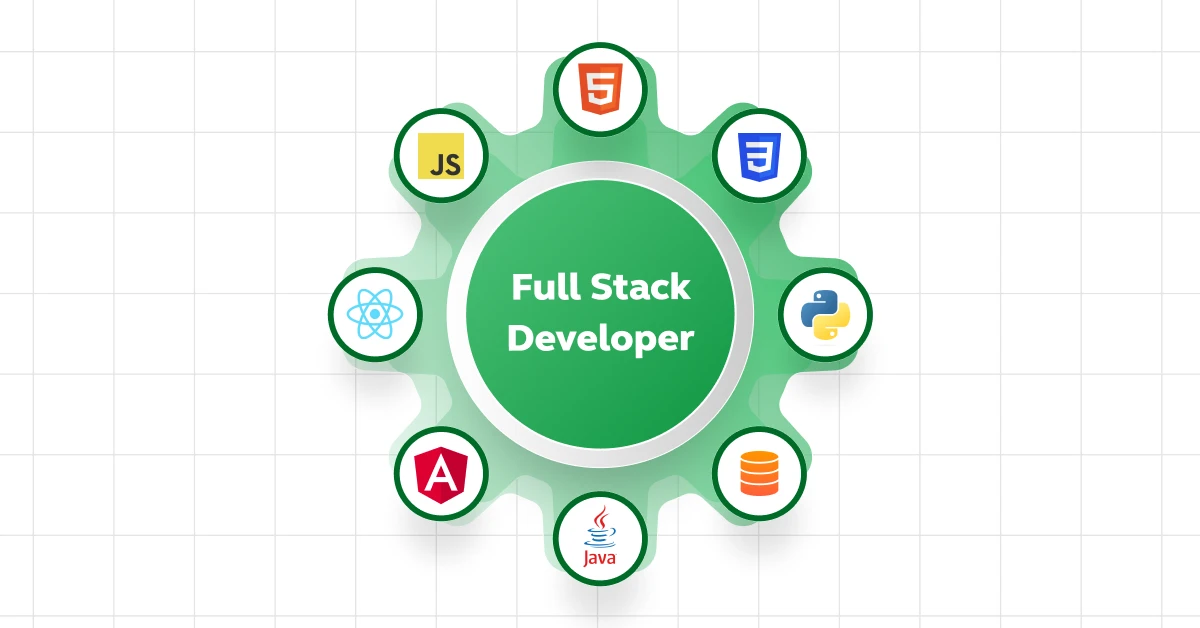
    Tech companies seek Full Stack Developers because they can develop both frontend and backend application components and consequently lead to their high market demand. Full Stack professionals demonstrate complete capability to develop whole operational web applications throughout their development process. The following guide provides all the necessary skills alongside required technological knowledge to help you develop into a Full Stack Developer.

    1. Understanding Full Stack Development

    a. What is Full Stack Development?

    Developers who practice Full Stack Development execute functions on website frontends known as clients alongside operations on web server backends. Complete application creation and maintenance becomes possible for a Full Stack Developer who does not require extra specialists.

    b. Why Become a Full Stack Developer?

    • High demand in the job market
    • Full Stack Developers have the ability to operate efficiently through various technological systems.
    • Increased earning potential
    • As an independent developer one can build fully functional applications.

    2. The User Interface receives its development from Frontend developers.

    a. Essential Technologies

    Frontend developers focus on providing users excellent interactions when utilizing websites or web applications. Key technologies include:

    • HTML5 – Defines the structure of web pages.
    • CSS3 – Adds styles and responsiveness.
    • JavaScript (ES6+) – Enables interactivity.
    • Responsive Design – Ensures compatibility across devices.

    UI Frameworks & Libraries:

    • React.js – Popular for dynamic applications.
    • Vue.js – Lightweight and flexible.
    • Angular – Robust for enterprise applications.

    b. Frontend Tools

    • CSS Preprocessors: SASS, LESS
    • Package Managers: npm, Yarn
    • Version Control: Git, GitHub
    • Testing: Jest, Cypress, Mocha

    3. Backend Development: Powering the Application

    a. Backend Programming Languages

    The mechanical section of the application operates as the central hub for executing logical operations while communicating with databases and implementing API systems. Popular choices include:

    • Node.js (JavaScript) – Popular and scalable.
    • Python (Django/Flask) – Simple and powerful.
    • Ruby on Rails – Efficient for startups.
    • Java (Spring Boot) – Ideal for large-scale applications.

    b. APIs & Authentication

    • RESTful APIs – Standard for data communication.
    • GraphQL – Flexible data querying.

    Authentication & Security:

    • OAuth, JWT, Passport.js
    • Encryption and HTTPS

    c. Database Management

    The primary function of databases is to store and control application information.

    Relational Databases (SQL):

    MySQL, PostgreSQL

    NoSQL Databases:

    MongoDB, Firebase

    Object-Relational Mappers (ORMs):

    Sequelize (Node.js), TypeORM, Mongoose

    d. Backend Tools

    • API Testing: Postman, Insomnia
    • Cloud Storage: AWS S3, Firebase
    • Authentication: Firebase Auth, Auth0

    4. Deployment & DevOps

    a. Hosting and Deployment

    Cloud providers consist of AWS together with Google Cloud and DigitalOcean.

    Server & Hosting: Heroku, Vercel, Netlify

    b. DevOps & CI/CD

    • Containerization: Docker, Kubernetes
    • Monitoring: Prometheus, ELK Stack
    • CI/CD Pipelines: GitHub Actions, Jenkins

    5. Full Stack Developer Best Practices

    a. Code Quality & Maintainability

    Follow coding standards (ESLint, Prettier).

    Develop code which follows DRY principles through modularity while avoiding code duplication.

    b. Security Best Practices

    Use hashed passwords.

    Implement role-based access control (RBAC).

    c. Performance Optimization

    Both image optimization techniques and decreased HTTP request number should be implemented.

    Use caching (Redis, Memcached).

    d. Documentation & Collaboration

    Maintain clear API documentation.

    A version control system based on Git will provide necessary collaboration capabilities.

    6. Learning Resources & Roadmap

    a. Online Courses & Tutorials

    • Frontend: FreeCodeCamp, The Odin Project
    • Backend: Udemy, Coursera
    • Full Stack: Harvard’s CS50, Full Stack Open

    b. Practice Projects

    To-Do App (CRUD operations)

    • Users will find access through the Blogging Platform while comments and likes also function within this service after authentication.
    • E-commerce Store (Payment integration)
    • Real-time Chat App (Socket.io, WebSockets)

    Conclusion

    Complete mastery of different technologies alongside best practices constitutes the essential requirements to become a Full Stack Developer. A path combination chart alongside continuous education will enable you to develop strong applications that drive tech career advancement.

  • Full Stack Developer Roadmap: Skills, Tools, and Best Practices

    Full Stack Developer Roadmap: Skills, Tools, and Best Practices

    A Full Stack Developer has mastery over creating complete web applications since they possess capabilities in both front-end development alongside back-end development. Understanding the important skills and tools and established methods becomes vital when pursuing success in development work because the demand for qualified developers expands continually. The advisory outlines a direction path for prospective Full Stack Developers through essential technology and framework information and methodological approaches.

    1. Understanding Full Stack Development

    a. What is Full Stack Development?

    Full Stack Development means developing the entire web application by working between client-side programming for front-end and server-side programming for back-end components that include database systems and APIs with deployment tools.

    b. Why Become a Full Stack Developer?

    • High demand in the job market
    • The ability to work across several development levels offers a developer versatile operational capabilities.
    • Better understanding of complete software projects
    • The field enables better employment choices together with elevated financial prospects.

    2. Essential Skills for a Full Stack Developer

    a. Front-End Development

    The front end focuses on the user interface and user experience. Key technologies include:

    • HTML5 – Structure and content
    • CSS3 – Styling and layout
    • JavaScript (ES6+) – Dynamic functionality
    • Responsive Design – Ensuring mobile and cross-browser compatibility
    • Frameworks & Libraries:
    • React.js (Most popular for modern applications)
    • Vue.js stands out among other libraries because it offers both lightweight design and easy learnability.
    • Angular (Enterprise-level applications)

    b. Back-End Development

    Logic together with database connectivity and server-side operations take place within the back end. Important technologies include:

    Programming Languages:

    • Node.js (JavaScript runtime for server-side development)
    • Python platform through Django/Flask presents both an easy learning experience and broad market adoption.
    • Ruby on Rails (Popular for startups and rapid development)
    • Java (Spring Boot) (Robust for large-scale applications)

    APIs & Web Services:

    • RESTful APIs (Standard for web communication)
    • GraphQL (Flexible API queries)

    Authentication & Security:

    • OAuth, JWT, Passport.js for secure login systems
    • Encryption, SSL/TLS, and HTTPS for security

    c. Database Management

    Databases hold and regulate application data storage. Key options include:

    Relational Databases (SQL):

    • MySQL (Popular open-source database)
    • PostgreSQL (Advanced SQL database with JSON support)

    NoSQL Databases:

    • MongoDB (Document-oriented, great for scalability)
    • Firebase (Real-time NoSQL database)

    ORMs (Object-Relational Mappers):

    • Sequelize (for Node.js)
    • TypeORM (TypeScript-based)
    • Mongoose (for MongoDB)

    d. Version Control & Collaboration

    • Git & GitHub/GitLab/Bitbucket (Code management and collaboration)
    • The repository uses various branching methods that include Git Flow and Feature Branching among others.

    e. DevOps, CI/CD & Deployment

    Development services operate through the cloud systems maintained by AWS and Google Cloud and Microsoft Azure.

    • CI/CD Pipelines: GitHub Actions, Jenkins, GitLab CI/CD
    • Containerization: Docker, Kubernetes
    • Server & Hosting: Nginx, Apache, Netlify, Vercel

    f. Soft Skills

    • Problem-Solving: Debugging and logical thinking
    • Communication: Collaboration with designers, PMs, and clients
    • Efficient time management enables developers to deal with various responsibilities alongside their fixed deadlines.

    3. Essential Tools for Full Stack Development

    a. Front-End Tools

    The preferred code editor options include VS Code and Sublime Text.

    • CSS Preprocessors: SASS, LESS
    • Package Managers: npm, Yarn
    • Testing Frameworks: Jest, Mocha, Cypress

    b. Back-End Tools

    • API Testing: Postman, Insomnia
    • Database Management: Adminer, MongoDB Compass
    • Authentication: Firebase Authentication, Auth0

    c. DevOps & Deployment Tools

    • Virtualization: Docker, Kubernetes
    • The configuration includes Prometheus alongside ELK Stack for monitoring and logging purposes.
    • The hosting platforms include AWS and DigitalOcean together with Heroku and Vercel.

    4. Full Stack Developer Best Practices

    a. Code Quality & Maintainability

    • The code should be written with modularity in mind while maintaining DRY principles and cleanliness.
    • Follow coding standards and conventions.
    • Code consistency will be maintained through running linters including ESLint and Prettier.

    b. Security Best Practices

    • Use hashed passwords with bcrypt.
    • Implement role-based access control (RBAC).
    • Relationships with third-party suppliers should receive regular updates because dependency vulnerabilities could occur.

    c. Performance Optimization

    • The optimization of HTTP requests should be combined with imagination regarding image formats.
    • Use caching techniques (Redis, Memcached).
    • The system needs to include lazy loading functionality to achieve better performance rates.

    d. Documentation & Collaboration

    • Every project needs to have an active README.md file as part of standard documentation.
    • The documentation system must contain clear API descriptions which should follow the standards defined by Swagger or OpenAPI.
    • Communicate effectively in team environments.

    5. Learning Resources & Roadmap

    a. Online Courses & Tutorials

    Frontend: FreeCodeCamp, The Odin Project

    Backend: Udemy, Coursera, Pluralsight

    Full Stack: Harvard’s CS50, Full Stack Open

    b. Books

    • “Eloquent JavaScript” – Marijn Haverbeke
    • The educational material “You Don’t Know JS” originated from the teachings of Kyle Simpson.
    • “The Pragmatic Programmer” – Andrew Hunt & David Thomas

    c. Practice Projects

    • To-Do App (CRUD operations)
    • Users on the platform require authentication along with comment and like features.
    • E-commerce Store (Payment integration, order management)
    • Real-time Chat App (Socket.io, WebSockets)

    Conclusion

    A Full Stack Developer needs to effectively master extensive technological knowledge in addition to various expertise. You can develop reliable web applications to succeed in the tech industry by using this plan and mastering essential tools while following industry standards. The ability to learn continuously together with practical projects will determine your success as a developer in this fast-changing technological landscape.

  • The Future of Search: How AI is Changing SEO

    The Future of Search: How AI is Changing SEO

    The digital world is going through rapid transformation while artificial intelligence stands as its main driving force. The traditional SEO field of keywords and backlinks now incorporates AI-powered tools alongside automation and machine learning to obtain better search rankings. The article analyzes how AI transforms modern SEO practices alongside necessary steps for businesses to excel in AI-driven SEO.

    AI-Driven Search Algorithms

    • The search engine platform Google uses artificial intelligence technology to update their algorithm design while improving their understanding of search requests. The main AI-powered system updates consist of:
    • RankBrain represents a learning-capable artificial intelligence technology Google uses to analyze queries and understand search terms from users.
    • Through BERT (Bidirectional Encoder Representations from Transformers) the search engine gains better capabilities to interpret natural written language.
    • Contextual search receives an improvement through MUM (Multitask Unified Model) which enables users to execute more complicated multi-modal inquiries.

    Key Takeaway:

    The modern focus of SEO optimization now involves providing content that matches user intent instead of traditional keyword density methods.

    AI and Content Creation

    GPT-4 alongside Jasper and Surfer SEO represent a revolutionary wave in content marketing because of their AI-based content generator capabilities. The tools enable companies to create efficient high-quality written content. The ranking criteria for search engines includes originality combined with human-like writing style making businesses need to prioritize:AI systems should support your initial research when generating ideas but programming complete content remains a human task.

    The combination of Experience Expertise Authoritativeness and Trustworthiness will increase page rankings.Businesses should develop content which captures audience interest through informative material while staying audience-focused.

    Actionable Tip:

    The utilization of AI software for content enhancement remains viable but organizations should integrate human involvement to preserve realness.

    Voice and Visual Search Optimization

    AI improves search capabilities by enabling smart assistants with image recognition technology beyond text-based querying.

    Voice Search:

    • Optimize for conversational, long-tail keywords.
    • Develop content in the form of Frequently Asked Questions (FAQs) to respond to using direct visitor inquiries.
    • Ensure mobile-friendliness and fast-loading pages.

    Visual Search:

    • Include resolution-optimized pictures with written alternative image descriptions.
    • Merged information structures within content unlocks better search results for images.
    • Platforms with search capabilities which include Google Lens and Pinterest Lens require optimization performing different actions.

    AI-Powered SEO Tools

    • Intelligent automation tools which AI provides allow users to simplify their SEO activities by offering enhanced capabilities.
    • Keyword Research: Ahrefs, Semrush, and Surfer SEO offer AI-driven keyword insights.
    • Crawling tools like Screaming Frog together with Sitebulb identify whether sites canbe reached and analyzed how they are organized.
    • The analysis of competitor strategies by AI systems enables organizations to identify areas where they can create new opportunities or fill present gaps.
    • The automated rank tracking system uses AI to show alert notifications about the current position of pages in search engine results.

    Key Takeaway:

    The automation of SEO procedures through AI technology needs human supervision to achieve maximum effectiveness.

    Personalized Search and AI

    The search results achieve personalized recommendations through AI by using data from user actions coupled with geographic location and previous interaction records. To optimize for personalized search:

    • Local SEO optimization combined with Google My Business optimization should be the key focus.
    • Website content delivery should implement dynamic personalization mechanisms.
    • Organizations must integrate structured data elements to enhance their search engine visibility shown to users.

    Actionable Tip:

    Websites must enable content flexibility according to what users prefer and what their search goals are.

    The Future of AI in SEO

    AI advancements will transform SEO into a practice which depends on:

    • AI technology will enhance its capabilities of refining search results by adapting to personal preferences at an individual level.
    • Search engine platforms will generate suggested queries ahead of user typing beginning.
    • Through enhanced AI algorithms the creation of highly realistic content becomes possible.
    • Extended reality integrated with AI is expected to modify user interactions with search results through augmented reality (AR).

    Conclusion

    AI transforms the field of SEO by establishing user-based search results that match specific user expectations. Businesses need to embrace AI-powered tools combined with high-quality content development and search technology optimization to make business adjustments successfully. Companies that identify with AI technology trends obtain substantial market benefits during search industry transformations.

  • Mastering SEO in 2024: Strategies for Higher Rankings

    Mastering SEO in 2024: Strategies for Higher Rankings

    The SEO practice keeps changing because search engines actively modify their algorithms for better user results. The upcoming year requires businesses to implement data-based innovative SEO approaches that will help sustain and boost their rankings. This guide provides current SEO methods and patterns together with standard operating procedures to assist your search engine search page leadership.

    1. Understanding Google’s Latest Algorithm Updates

    The search algorithms from Google proceed to advance with an emphasis on delivering enhanced quality material coupled with excellent user experience and advanced technical practices. The main algorithm changes implemented by Google for 2024 direct their efforts toward:

    • The Helpful Content Update establishes original substantive content as its main ranking criterion for valuable information delivery.
    • The search engine uses AI models like RankBrain and BERT which enhance query recognition for improving results.
    • Google prioritizes Core Web Vitals which measure three aspects of webpage performance including loading speed and visual stability and interactivity.
    • The key to success involves keeping up to date with all developments at Google. By maintaining active tracking of Google’s Search Central Blog and professional industry publications including Moz and Search Engine Journal you will stay ahead.

    2. Prioritizing High-Quality, EEAT-Optimized Content

    The EEAT framework (Experience, Expertise, Authoritativeness and Trustworthiness) by Google continues to be a fundamental element for search engine rankings. To enhance content quality:

    • Your content must convey authority through expertise displays and expert reviews along with evidence from sources that maintain professional credibility.
    • The search giant values learning through personal case studies which demonstrate field-based insights.
    • The content becomes easier to understand when readers find bullet-pointed text with short paragraphs supported by attractive visual elements.
    • Rephrase content to create background designs which answer consumer queries in an easy-to-digest format.

    Actionable Tip:

    Integration of schema markup provides better search visibility which leads to qualification for rich search results.

    3. AI-Driven SEO: Leveraging Automation and AI Tools

    Artificial Intelligence is reshaping SEO. AI technology provides assistance with keyword investigations and content development together with performance analysis. Artificial intelligence provides several ways to boost your strategy as outlined belowThe content optimization tools Surfer SEO and Clearscope generate recommendations by reviewing top-performing pages in the search results.

    Companies can use AI assistants and chatbots to maintain user interaction which leads to less bounce rates.Modern SEO tracking solutions from Semrush along with Ahrefs supply users with instant ranking information through their AI-based systems.

    4. Companies should utilize Voice and Visual Search optimization as part of their search strategy.

    Optimizing for new search formats has become essential because of the increasing demand for smart assistants alongside visual search tools.

    • Voice Search Optimization:
    • Focus on conversational, long-tail keywords.
    • Users should find direct answers through FAQ sections.
    • The majority of voice search queries focus on local and mobile elements so you should enhance both aspects.
    • Visual Search Optimization:
    • High-quality images containing relevant descriptions through text alternative attributes benefit SEO.
    • Leverage Google Lens and Pinterest Lens-friendly content.
    • Users should reduce file names lengths while applying compression techniques to decrease image loading times.

    5. Mobile-First Indexing and UX Enhancements

    Google chiefly relies on mobile format content for its indexation process. To optimize for mobile-first indexing:

    • Use responsive web design.
    • Page loading time must be reduced to under three seconds.
    • Mobile user experience needs improvement through adjustments to touch-friendly navigation components and size refinements of buttons.
    • Your strategy should use progressive web apps to provide better mobile user experiences.

    6. The Power of Zero-Click Searches and SERP Features

    Ranked search engine result page features like featured snippets along with knowledge panels account for search queries that prevent users from clicking any website link. To optimize for this trend:

    • Your target should be to optimize content for featured snippets by using a question-answer structure.
    • Analyze People Also Ask questions to provide brief and targeted answers to associated search queries.
    • Customers need to optimize their Google My Business listings through the features that help a business appear in the local pack.

    7. Link Building Strategies for 2024

    The value of backlinks continues to matter for rankings but Google gives higher importance to link quality instead of relying on link numbers. Effective link-building strategies include:

    Guest Posting on High-Authority Sites

    Strategies for organic link acquisition include creating data-based content such as infographics and conducting original researchYour content becomes a replacement element when you discover broken website links through the Broken Link Building approach.

    Digital PR and Outreach

    The distribution of page authority between webpages becomes possible through an effective internal linking plan.

    8. Core Web Vitals cooperates with Technical SEO

    The Core Web Vitals framework of Google judges page experience by measuring three key factors: page load speed, user interaction times and stability when viewing webpages. Improve technical SEO by:

    • The page speed increases when you utilize Google PageSpeed Insights.
    • Fixing Broken Links and 404 Errors.
    • Implementing HTTPS and Secure Browsing.
    • Organizing website data through Structured Data leads to improved indexing capabilities.
    • Establishing XML Sitemaps alongside Robots.txt documents helps search engines better crawl website content.

    9. Local SEO and Google Business Profile Optimization

    • Businesses operating in local markets need to optimize their Google Business Profile (GBP) for discovery of their services among customers.
    • Every occurrence of NAP (Name Address Phone) information should remain identical throughout all content.
    • All customers should be invited to write reviews about your business while you must handle their feedback appropriately.
    • The content must feature regular published updates alongside images along with business deals
    • Optimize for “Near Me” Searches.

    10. Measuring SEO Performance with Analytics

    Analyzing and tracking SEO work plays a vital role in achieving ongoing performance growth. Use:

    • Google Analytics 4 (GA4): Track user behavior and conversions.
    • Using Google Search Console enables users to track their site health while monitoring keyword ranking performance.
    • Heatmaps (Crazy Egg, Hotjar): Understand user interaction.
    • Rank Tracking Tools Ahrefs Semrush and Moz allow users to track their keyword positions.

    Conclusion

    Employing SEO mastery in 2024 requires both the necessary technical experience along with high-quality content creation combined with constant adjustments to emerging trends. Organic growth becomes sustainable and website rankings improve when businesses implement technical SEO alongside AI insights for content and mobile-first indexing and EEAT-based approaches.

    Consistent practice of following current SEO standards alongside ongoing strategy enhancement guarantees sustainable digital success. The adoption of these strategies at present will generate improved search rankings for your business.

  • Website UI Tiles – Design elements or grid-based layouts for a website.

    Website UI Tiles – Design elements or grid-based layouts for a website.

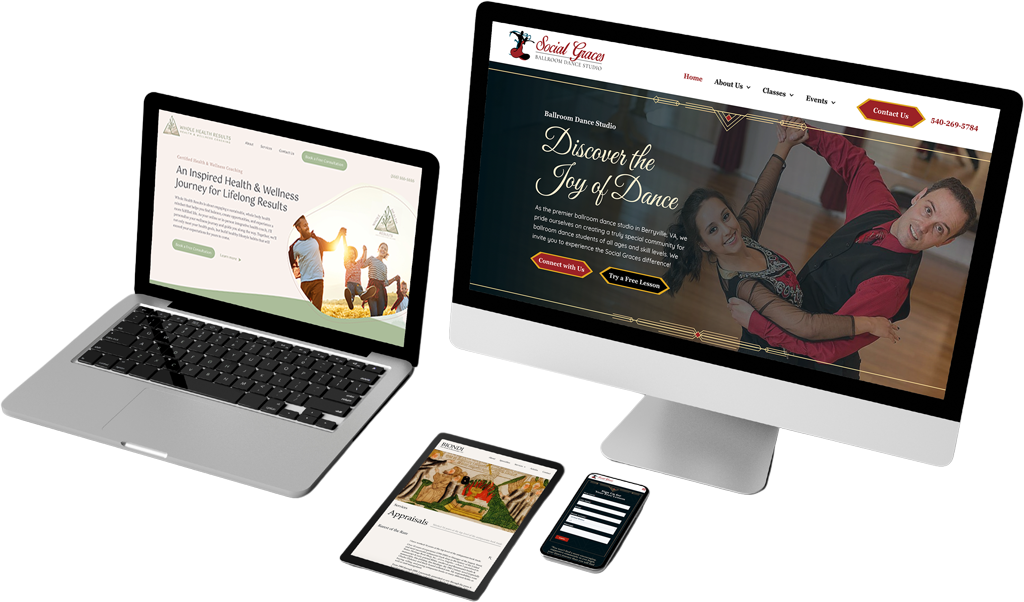
    The design elements called UI tiles serve multiple functions because they organize content effectively while improving both user experience and design appearance of websites. The tile structure when arranged through grid-based layouts enhances both site navigation and user engagement and website scalability. The digital age requires businesses and other entities to maintain visually attractive websites with well-arranged structures for personal and corporate projects. The implementation of UI tiles serves as the cornerstone to achieve this objective since designers can build dynamic systems that create flexible interactive interfaces which lead users to experience effortless browsing.

    What Are Website UI Tiles?

    The modular design elements referred to as Website UI tiles function as organizational tools that establish structure on web pages. The structured grid with related content along with card format enables a seamless interface delivery while maintaining visual harmony. Website UI tiles provide space for different combinations of text content alongside images as well as icons and buttons and interactive elements.

    Key Features of UI Tiles

    • A website’s UI tiles show flexibility because they exist in multiple configurations regarding size dimensional choices and design styles which align with brand guidelines.
    • Consistency is achieved through these elements because they use one single design method through all website pages.
    • The user interface tiles maintain responsive behavior that allows them to adapt automatically to various display sizes for consistent viewing on desktops and tablets as well as mobile screens.
    • The right tile design engages users to participate with content which in turn improves satisfaction along with retention of users.
    • Organizations benefit from UI tiles since these interface elements allow them to increase website content without breaking the design or compromising user experience dynamics.

    Benefits of UI Tiles

    UI tiles form an easy-to-use interface because they serve multiple functions from content presentation to interactive elements. They offer numerous benefits, including:

    Appeal1. Enhanced Readability and Visual 

    A well-organized structure of UI tiles provides users with quick information detection and simple comprehension of content elements. Designers achieve better readability by arranging elements with clean layouts together with proper spacing measures to avoid visual confusion.

    2. Improved Navigation and Accessibility

    Users can clearly navigate between website sections using tiles they can click on which feature descriptive labels. The accessibility of essential content becomes better through UI tiles because they display vital information in organized formats users can understand readily.

    3. Increased User Engagement

    The addition of interactive buttons along with visual effects and animated graphics through embedded content stimulates website users to dive into further web exploration. Interaction with UI tiles helps both increase the duration of user sessions and decrease the number of users who leave the website.

    4. Mobile-Friendly and Responsive Design

    The grid-based format of UI tiles enables automatic size flexibility which produces tailored screens optimized for mobile users.

    5. SEO and Performance Optimization

    Structured UI tiles help websites stay well-organized thus they improve website performance and search engine rankings while reducing site speed times. The right application of tile-based design enhances website execution while allowing users to find and discover needed content.

    Best Practices for UI Tile Design

    Web designers should adopt the following best practices to develop effective UI tiles for effective design outcome.

    1. Maintain Consistency

    • A standard grid system should be applied because it keeps all tiles correctly positioned.
    • The tiles should use one universal typography along with one consistent color scheme.

    2. Use High-Quality Visuals

    • Web designers should enhance the image and video content by optimizing their quality with speed optimization techniques.
    • The website performance suffers from the implementation of multiple visual designs which slow down the website.

    3. Prioritize Responsiveness

    • Tiles need to be created with adjustable measures that work across multiple screen resolutions including diverse devices.
    • Implement CSS Grid and Flexbox to produce adaptable and elastic dimensions in your website layout.

    4. Optimize for Accessibility

    • The text readability needs proper contrast ratio to be effective.
    • Images require ALT tags to enhance accessibility since they allow users with vision disabilities to understand visual content.

    5. Focus on User Interaction

    • Implement hover effects, animations, or micro-interactions for engagement.
    • The clickable tiles must show obvious visual confirmation to users.

    Types of Website UI Tiles

    The User Interface contains multiple tile types which fulfill different serving functions. Below are some common categories:

    1. Content Tiles

    Textual and multimedia content presented through content tiles can be observed in blogs and educational websites and news portals. Each tile on the user interface shows previews of articles together with headlines and condensed summaries of the content.

    2. Navigation Tiles

    The user flow remains smooth along with accessibility when navigation tiles are used to provide instant access to website areas. These tiles can be spotted on both dashboards and landing page interfaces.

    3. Product Display Tiles

    Online stores display their products through tiles which combine visible elements between graphics and price labels and structured links that guide users to perform actions. Through their unique design the tiles simultaneously enhance customer satisfaction along with increasing sales numbers.

    4. Call-to-Action (CTA) Tiles

    The purpose of CTA tiles is to encourage website visitors to execute specified actions from becoming subscribers to making purchases. The tiles rely on big graphical elements they present with striking colors and noticeable buttons.

    5. Interactive Tiles

    Various user-controlled tiles supply active content that includes streaming video feeds together with customer recommendations and integrated multimedia elements or media. The elements present on the website create user engagement and make the site more exciting to explore.

    Implementing UI Tiles

    Developers who want to implement UI tiles have several technology options that can be used.

    Conclusion

    The usability together with aesthetics and functionality of websites depends heavily on website UI tiles as fundamental design elements. Web interfaces that incorporate tiles supply designers with a systematic approach to create scalable modern designs which serve content presentation alongside leading visitors between pages and enabling active participation. A website achieves usability and friendliness through best practices which combine consistency maintenance and user interaction.

  • Website Development Packages – Different service tiers for website creation.

    Website Development Packages – Different service tiers for website creation.

    Justification for well-designed websites has become crucial today for all businesses that seek to establish their digital authority. All websites do not need to have the exact set of complexities and features. Website development packages represent the solution for this need. Different business requirements receive specialized packages which maximize clients’ investment money.

    We will study multiple service packages designed for website development while explaining included features along with business selection methods in this discussion.

    Understanding Website Development Packages

    Companies organize website development packages to demonstrate what website features customers obtain along with their associated costs and delivery services. The different business requirements and budget sizes find their match in these standardized packages. The market offers three standard types of website development packages which include basic packages for starters and standard packages forャিぐens

    • Basic Website Package (Ideal for Startups & Small Businesses)
    • Standard Website Package (Perfect for Growing Businesses)
    • E-commerce Website Package (Best for Online Stores)
    • Custom Website Package (Tailored for Unique Business Needs)
    • Enterprise Website Package (For Large Corporations & High-Traffic Websites)

    Packages within these options contain stepwise improvement of features which follow client needs regarding functionality and scalability and customization capabilities.

    1. Basic Website Package

    Startups as well as freelancers along with small businesses can find the Basic Website Package suitable for developing their web presence without making large-scale investments.

    Features:

    The package supports one to five web pages that consist of Home, About, Services, Contact and Blog.

    • Mobile-Friendly Responsive Design
    • Basic SEO Setup (Meta Tags, Sitemap, Google Analytics Integration)
    • Standard Contact For
    • Domain & Hosting Assistance (if required)
    • SSL Certificate for Website Security

    Who Should Choose This Package?

    • Startups & Local Businesses
    • Personal Blogs
    • Small Service Providers
    • Cost Range: $300 – $1,000

    2. Standard Website Package

    Small businesses including those of medium scale should choose this package as it provides more features with improved design solutions and better performance capabilities.

    Features:

    • 5-15 Web Pages
    • Customized Design with Branding Elements
    • Advanced SEO Setup
    • CMS (Content Management System) Integration (WordPress, Joomla, etc.)

    The Contact Forms together with Live Chat feature belongs to this package

    • Basic Speed Optimization
    • Social Media Integration
    • Google My Business Setup

    Who Should Choose This Package?

    • Small to Medium Businesses
    • Professional Service Providers (Doctors, Lawyers, Consultants)
    • Bloggers with High Traffic
    • Cost Range: $1,000 – $3,000

    3. E-commerce Website Package

    A business requiring online sales capabilities should opt for the E-commerce Website Package as the most suitable solution.

    Features:

    • Fully Functional Online Store
    • Product Pages & Category Setup
    • Payment Gateway Integration (PayPal, Stripe, etc.)
    • Shopping Cart & Checkout System
    • Inventory Management
    • Customer Login & Dashboard
    • Security Features (SSL, Firewall, Anti-fraud Tools)
    • Email Marketing & CRM Integration

    Who Should Choose This Package?

    • Retail Businesses
    • Dropshipping Stores
    • Entrepreneurs Selling Digital or Physical Products
    • Cost Range: $2,500 – $10,000

    4. Custom Website Package

    This package exists for businesses alongside individual clients needing special custom design options coupled with integrated advanced features.

    Features:

    • Unlimited Web Pages
    • Fully Custom Design & Development
    • API Integrations (CRM, ERP, AI Chatbots, etc.)
    • Mobile App Synchronization (if needed)
    • High-End Security Measures
    • Performance Optimization & Scalability
    • Custom Dashboard & Admin Panel

    Who Should Choose This Package?

    • Businesses with Unique Needs
    • SaaS Companies
    • Large Service-Based Companies
    • Cost Range: $5,000 – $50,000

    5. Enterprise Website Package

    The Enterprise Website Package serves computing needs of big companies together with active platforms which require superior protection and high operational efficiency.

    Features:

    • AI-Powered Website Solutions
    • Multi-Language & Multi-Currency Support

    This package offers advanced hosting solutions that include Advanced Server Hosting Solutions (AWS, Dedicated Servers, Cloudflare CDN).

    • High-Level Security Compliance (PCI DSS, GDPR, etc.)
    • Custom Data & Analytics Reporting
    • 24/7 Technical Support & Maintenance

    Who Should Choose This Package?

    • Large Enterprises
    • Government & Corporate Websites
    • High-Traffic Online Magazines & News Portals
    • Cost Range: $10,000 – $100,000+
    • An acceptable option involves selecting the right package for website development
    • Your company should base their decision on these factors when choosing the right website development package.
    • The investment amount for your website represents a key deciding element.
    • Men and women planning website goals must determine what their site should accomplish.

    Scalability: Will your website need future upgrades or expansions?

    The required functions of your system include a basic portfolio or a complete e-commerce solution or advanced platform features.

    • Your company requires sustaining website management and technical support
    • Additional Services in Website Development Packages
    • The majority of web development agencies include performance-enhancing features as add-ons such as:

    SEO Optimization – Helps your site rank higher on search engines.

    Writers who produce content and integrate blogs create engaging material which attracts potential visitors.

    • A website needs regular maintenance and security updates as well as security patches for protection.
    • The package includes Marketing Integration elements of email marketing alongside PPC advertisements and social media promotional capabilities.
    • The combination of custom branding together with logo design helps your brand achieve distinct recognition.

    Conclusion

    The success of online business requires investing in the proper website development package. Each eversed visitor has the chance to discover packages perfectly suited for their project requirements from a simple startup website to advanced corporate needs.

    Before making your decision evaluate your objectives by seeking professional advice while selecting a plan that provides adaptability alongside growth possibilities along with enduring benefits. Businesses with high-quality developed websites acquire more than mere digital assets because these tools empower business growth.

  • Full Stack Development: A Complete Guide for Beginners

    Full Stack Development: A Complete Guide for Beginners

    The technology industry demands Full Stack Development as one of its top professional skills during the current digital age. Learning Full Stack Development offers you multiple professional opportunities for creating either implemented systems or developing applications. This practical guide was created to teach novices about Full Stack Development basics together with required technologies along with the initial steps to begin their learning process.

    What is Full Stack Development?

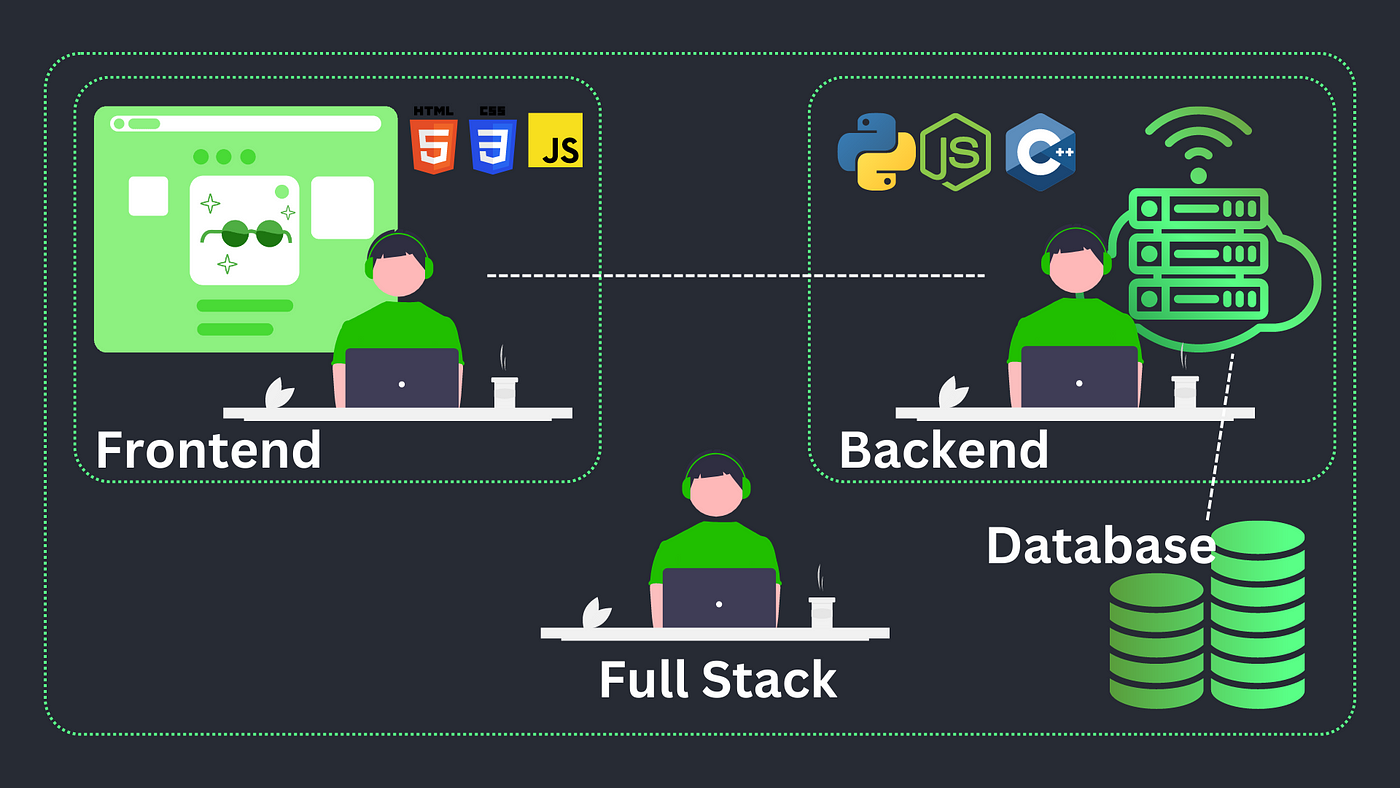
    Full Stack Development describes the capability for engineers to construct both visual aspects (front-end) and operational aspects (back-end) of web applications. Developers who specialize in Full Stack work directly with databases and they also handle servers as well as system engineering tasks while serving clients.

    Components of Full Stack Development

    The necessary elements of Full Stack Development serve as fundamental knowledge base for new practitioners in this field. The framework of Full Stack Development requires three essential components which include front-end development to handle user experience and interface and back-end development to process data business logic and operational mechanisms in combination with databases that manage storage operations.

    Essential Technologies for Full Stack Development

    The path to becoming an accomplished Full Stack Developer requireslearning multiple technical tools. To excel in Full Stack Development knowledge of three main groups of programming technologies must be acquired starting with HTML, CSS and JavaScript facing the user then moving through Node.js, Python for backend functions while also having proficiency with MySQL and MongoDB database systems. Knowledge of cloud computing as well as DevOps tools offers helpful advantages to developers.

    Front-End Technologies

    Web applications utilize front-end tools for creating and building their user interface section. Web applications consist of three fundamental components which include HTML for layout organization and CSS for design and JavaScript for program response and control. Multiple front-end development tools exist under the React.js, Angular.js and Vue.js brand names to improve the development process.

    Back-End Technologies

    The server along with the database and application logic get managed through back-end operations. For developing the back-end section of web applications developers select among JavaScript with Node.js, Python with Django or Flask, and Ruby with Ruby on Rails. The underlying technologies help developers produce applications that contain optimized scalability together with efficiency.

    Database Technologies

    Applications store their data for efficient management within databases. A selection of SQL databases including MySQL and PostgreSQL deliver structured storage but developers also depend on NoSQL solutions from MongoDB and Firebase because they offer flexibility and scalability. Project demands alongside future growth requirements determine what database system a developer should select.

    DevOps and Deployment Tools

    Application deployment together with maintenance runs successfully through DevOps tools and cloud-based services. The code editing process becomes smoother with Git as a version control tool while cloud providers AWS and Azure with Google Cloud offer deployment platforms. Containerization tools like Docker and Kubernetes streamline deployment and scalability.

    Steps to Become a Full Stack Developer

    Learning concepts of web technologies represents the starting point for Full Stack Developer paths while developers must build proficiency in both front-end and back-end procedures. The necessary skills for success also include a solid grasp of databases as well as version control and appropriate deployment methods. Developing practical project work coupled with staying knowledgeable about industry developments will strengthen qualifications and professional opportunities.

    Resources to Learn Full Stack Development

    Online platforms together with courses and books provide developers in training with learning resources. Websites such as FreeCodeCamp and Udemy along with Coursera provide disciplined courses and students can get comprehensive knowledge from books that include “Eloquent JavaScript” and “You Don’t Know JS.” Aspiring developers benefit from solving problems through the coding platforms LeetCode and HackerRank.

    Conclusion

    Students who pursue Full Stack Development encounter a fulfilling profession which offers multiple employment possibilities. Full Stack developers can construct full applications because they understand both front-end design and back-end programming systems for industry work. Success as a Full Stack Developer demands perpetual learning together with continuous practice and genuine project work experience.

  • Color Psychology in Graphic Design

    Color Psychology in Graphic Design

    Through color psychology within graphic design businesses dramatically modified their connection with their target audiences. Marketing and branding heavily depend on colors because these elements alter emotional responses and shape customer decisions. Under the influence of color psychology in graphic design companies can improve visual presentation and maintain brand recognition through strategic messaging. The following guide explores both audience reactions to color selection together with practical business applications of color theory for effective design creation. Your design strategy needs essential understanding of color psychology to reach professional height.

    Why Color Psychology Matters in Graphic Design

    Design benefits from color selection and achieves advantages which outperform traditional methods of design. Color psychology within graphic design brings forth essential advantages which make it a crucial aspect of design practice.

    • Viewers experience particular emotional responses because different colors deliver distinct feelings toward viewers.
    • Stable use of brand colors helps establish a strong recognition of brand identity.
    • Visual communication tools hinge upon colors because they activate human interaction with design content.
    • The meaning of perception depends on which colors designers choose to use in their messages.
    • The right selection of colors during conversion optimization leads to increased sales and actionable responses from customers.

    When it comes to branding and marketing operations color psychology provides crucial elements.

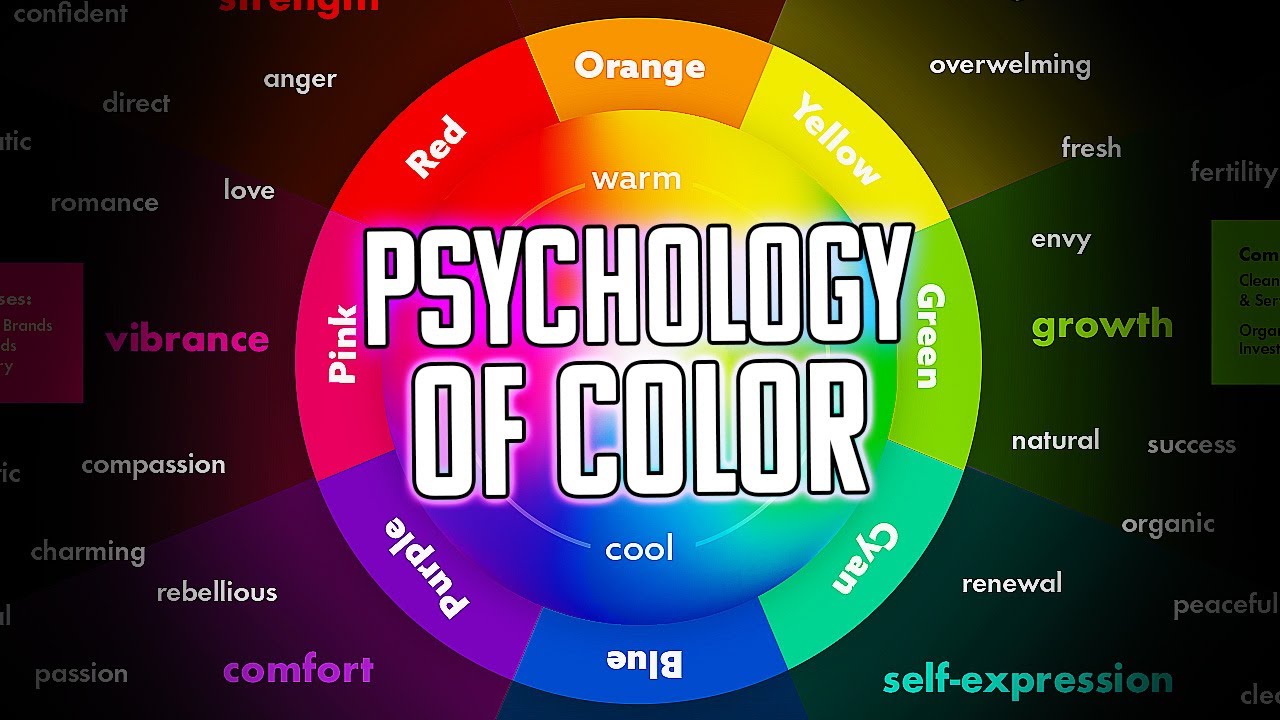
    • Warm Colors: Energy & Passion
    • Red: Evokes excitement, urgency, and passion.
    • Orange: Represents enthusiasm, creativity, and friendliness
    • Yellow: Symbolizes happiness, optimism, and warmth.
    • Cool Colors: Trust & Calmness
    • Blue: Conveys trust, security, and professionalism.
    • Green: Associated with health, nature, and tranquility.
    • Purple: Represents luxury, wisdom, and creativity.
    • Neutral Colors: Balance & Sophistication

    Black color stands for elegant and powerful sophistication.

    White: Represents simplicity, purity, and cleanliness.

    The color gray transports modern and balanced energy and neutrality to the audience.

    How Colors Influence Audience Perception

    Color in Logo Design

    • Brand recognition receives significant strength from appropriate choices of color combinations.
    • Popular brands establish strong brand recognition through the use of unique color design approaches.
    • Colors play a decisive role in Website & UI/UX design.
    • Color schemes that welcome users enhance both legibility and movement between web pages.
    • Diverse color combinations make content more accessible while also improving its usability capacity.
    • The use of color determines the success of marketing products through various advertising materials.
    • Vibrant colors succeed in gaining viewers’ attention while encouraging them to stay involved.
    • Colors in the soft pastel spectrum establish relaxing spaces that welcome people in.

    Future Trends in Color Psychology

    AI & Data-Driven Color Selection

    Brand color selection with the help of AI analytics systems creates color choices that align with audience behavior and taste.

    Minimalist & Monochromatic Designs

    The current design style focuses on minimalism because it uses monochromatic color palettes.

    Personalization & Adaptive Colors

    This upcoming design generation will activate color transformations according to user emotional states and their system interactions.

    Consultation: Enhancing Your Brand with Color Psychology

    Deciding which colors to use for graphic design work demands you match them to your brand identity and the characteristics of your audience base. Through color psychology applications in graphic design businesses build picture elements which captivate their audience. Graphic design elements that use color psychology effectively result in improved brand perception along with stronger audience engagement regardless of the design content produced.

    Conclusion

    Graphic design professionals who used colors in their work no longer make choices based on personal preferences because color psychology has evolved into a strategic design method which shapes how audiences react. Businesses achieve effective design solutions through their understanding of color effects on human emotions and behaviors. Through the application of color psychology in graphic design companies achieve brand identity reinforcement while engaging audiences to generate conversions which lead to sustained business achievements.