Day: March 11, 2025

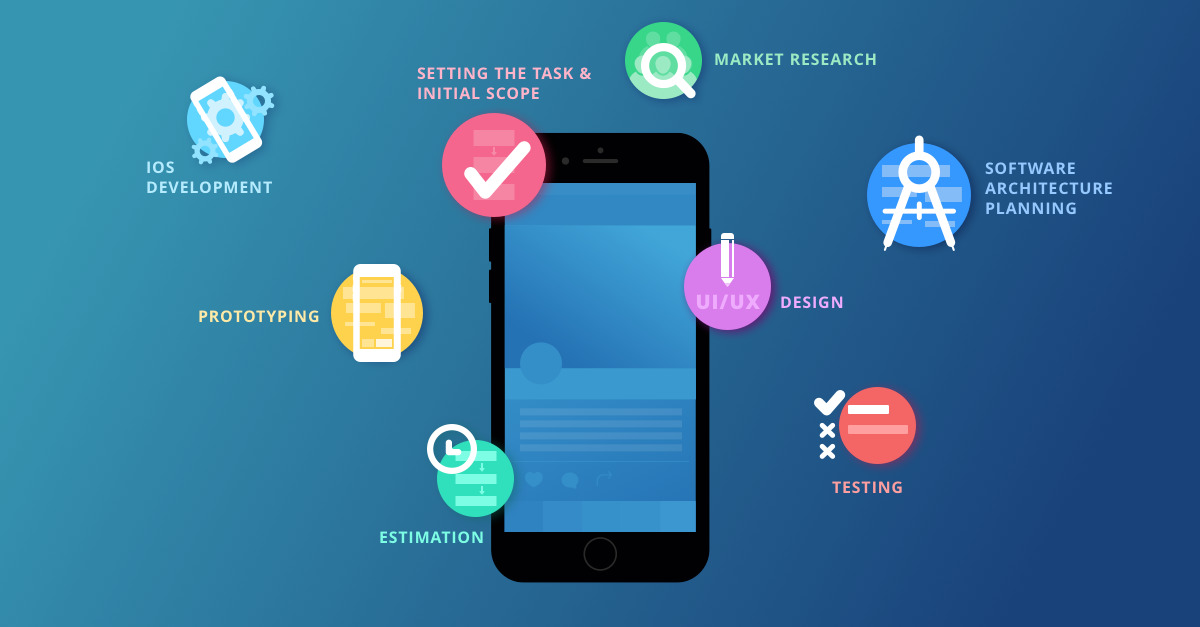
  • App Development Made Easy: A Step-by-Step Guide to Building Your Mobile App

    App Development Made Easy: A Step-by-Step Guide to Building Your Mobile App

    Modern business operations require mobile applications because they enable the expansion of business reach. Without proper direction the mobile application development process appears complex. All necessary information for app development is presented in a simplified manner throughout this comprehensive guide which starts at the concept stage and finishes with app launch.

    Mobile apps have become essential components for current market operations

    Mobile applications ruling the Apple App Store and Google Play Store have completely changed how people engage in shopping and business activities and communicate with others. An intuitive well-designed mobile app delivers benefits which vary according to your objectives whether you operate a startup business or enterprise organization.

    • Increase brand awareness
    • Improve customer engagement
    • Your mobile app should produce earnings through offering purchases to users within the app combined with advertisement display or subscription programs.
    • Enhance operational efficiency
    • Knowledge of the basic principles of app development will lead to cost reductions and operational efficiency and a successful outcome.

    Step 1: Planning and Ideation

    • A successful application requires definite purpose definition as well as audience identification before starting the coding process. Ask yourself:
    • A crucial step is to determine what challenge my application alleviates.

    Who is my target audience?

    • I need to determine all necessary features which would benefit my application.
    • My application stands apart from other options by providing what makes it unique in the market.
    • Before app development start by researching competitor apps to collect user opinions while surveying market demand for the proposed app concept.
    • The process of picking the right application type belongs to step number two.
    • Mobile app selection determines both performance quality and development expenses and user satisfaction ratings. 

    There are three main types:

    1. Native Apps

    Each application type requires its own programming language because they focus on one specific operating system either on iOS with Swift/Objective-C or Android with Kotlin/Java. Native apps deliver top performance through native device utilization at the cost of high development expenses.

    2. Web Apps

    Web Apps operate as mobile-friendly versions of applications except they do not need users to perform downloads. The convenience of these apps comes with partial sacrifice of native features due to their affordable cost.

    3. Hybrid Apps

    • A single group of written code enables hybrid applications to function across different platforms resulting in both faster development times and reduced costs. Two main application frameworks currently in use by developers are React Native combined with Flutter.
    • Choose between app types that offer the most advantageous relation of cost and user specifications.
    • The design phase of user experience (UX) and interface (UI) follows step three.
    • Software applications need a user-friendly aesthetic design to succeed in the market.

    When designing your app:

    • The user interface should maintain a basic design that users find easy to understand.
    • The use of a uniform selection of titles plus a standard set of icons and text styles should be applied throughout the project.
    • The interface should provide a user-friendly experience while maintaining rapid speed of loading content.
    • Material Design for Android users along with Human Interface Guidelines for iOS represent platform-specific design rules for development.
    • The application layout becomes clearer through wireframes and prototypes which precede the development stage.

    When deciding on the correct technology stack proceed to step four of the process.

    Your application depends on its type through the following tech stack:

    For Native Apps: Swift (iOS), Kotlin (Android)

    For Hybrid Apps: React Native, Flutter, Xamarin

    For Web Apps: HTML5, CSS, JavaScript, Progressive Web Apps (PWAs)

    The selection of proper tools results in highest possible performance levels combined with scalability capabilities.

    Step 5: Developing the App

    A development project contains three fundamental stages.

    1. Front-End Development

    The app user interface gets coded while adding animations and buttons together with interactive elements.

    2. Back-End Development

    Programmers establish systems which include databases along with APIs and authentication mechanisms and cloud services to operate data with maximum efficiency.

    3. Testing and Debugging

    Necessary operations for testing help discover broken features and perform their correction. Perform:

    • Everything works properly according to the requirements during functional testing
    • Tests for measuring both performance speed and system stability constitute performance testing.
    • Security testing supports the protection of data belonging to users.
    • A usability testing process will contribute to improving user experience during evaluation.

    Step 6: Deploying Your App

    You need to submit your application to the Google Play Store platform if you have an Android device or opt for the Apple App Store which caters to iOS users. Follow these steps:

    • Create a developer account
    • Your application needs to satisfy all requirements stated by the platform guidelines.
    • Enhance your application details with the perfect selection of descriptions images and keywords.
    • Submit for review and approval
    • The review process at app stores takes approximately several days thereby requiring you to remain ready for potential requirements for changing your app.

    Step 7: Marketing and Monetization

    Quality does not guarantee success unless a product gains proper marketing support. Use strategies like:

    • ASO techniques help apps achieve better search rankings within app stores.
    • Social media promotion and influencer marketing
    • Paid ads and partnerships
    • Press releases and blog promotions
    • Monetization strategies include:
    • In-app purchases
    • Subscriptions
    • Advertisements
    • Sponsorships
    • The selection of a monetization model bases on your app type combined with your target audience demographics.
    • Common Mistakes to Avoid in App Development
    • Skipping market research and validation
    • Including an overwhelming number of features during the first product release
    • Ignoring security and user privacy
    • Neglecting regular updates and maintenance
    • Making light of user feedback constitutes a major mistake
    • These mistakes produce waste of time while creating expensive mistakes therefore you should avoid them.
    • Future Trends in Mobile App Development
    • The key to leading the market is implementing upcoming trends:
    • Artificial Intelligence & Machine Learning – Smart recommendations and automation
    • 5G Technology enables faster connection speeds which results in uninterrupted application usage.
    • Active and simulated reality through AR/VR enables users to access better games and shopping opportunities and training tools.
    • Blockchain Integration – Secure transactions and decentralized applications
    • Smartwatches and connected devices access applications from the category of Wearable & IoT Apps.
    • To maintain your market competitiveness your app needs to stay updated with current trends in the industry.

  • The Ultimate Mobile App Development Guide: From Idea to Launch

    The Ultimate Mobile App Development Guide: From Idea to Launch

    The mobile application development industry experiences rapid growth because businesses alongside entrepreneurs produce applications to grow their audience base and deliver better customer interactions while earning revenues. Business entities starting from founders to owners and developers need fundamental knowledge about the development path to achieve success in their mobile app endeavors.

    This complete guide brings you through all steps involved in developing mobile applications including idea confirmation before reaching the App Store and Google Play launch stage.

    Why Mobile App Development Matters

    Mobile applications have established themselves as central components of our modern lifestyle because more than 6.8 billion people across the world own smartphones. Companies which implement mobile applications acquire three essential advantages.

    • Better customer engagement
    • Increased brand visibility
    • Higher revenue through in-app purchases and ads
    • Improved operational efficiency
    • You should develop your application since this represents an optimal moment to initiate the process.

    Types of Mobile Apps

    Your app development process needs a clear selection of the appropriate app type that aligns with your defined goals.

    1. Native Apps

    • These apps are exclusively designed for either iOS devices using Swift/Objective-C code or Android devices that operate on Kotlin/Java programming languages.
    • High performance and access to device features
    • The development procedure takes longer periods and costs more than your typical standards.

    2. Web Apps

    • Browser-based applications accessible via a URL
    • The application uses HTML and CSS and JavaScript for its construction.
    • Cost-effective but lacks native features

    3. Hybrid Apps

    • A mix of native and web apps
    • The application uses development frameworks from React Native or Flutter or Ionic.
    • Faster development with cross-platform compatibility
    • The selection of application type depends on your financial resources together with project duration alongside necessary application features.
    • Step-by-Step Guide to Mobile App Development

    Step 1: Validate Your Idea

    • To prevent waste of resources perform these steps in order to validate an app concept:
    • Conducting market research
    • Identifying competitors
    • Gathering feedback from potential users

    The project requires developers to establish precise features together with intended objectives in Step 2.

    • Create a list that includes fundamental app features from a user needs perspective. Make the Minimum Viable Product (MVP) launch faster by including crucial features in order to test market responses.
    • Selecting the appropriate technology framework comes next in the development process.
    • The selection of your technical stack follows from the app classification design.
    • Native Apps: Swift, Kotlin, Java
    • Hybrid Apps: React Native, Flutter, Xamarin
    • Web Apps: HTML5, JavaScript, CSS, Progressive Web Apps (PWAs)

    Step 4: Design UI/UX

    It is essential for users to experience an uninterrupted flow from beginning to end. Follow these best practices:

    • The interface needs to maintain simple direct design that users can easily understand.
    • Material Design serves as the design guideline for Android devices while iOS users need to follow Human Interface Guidelines.
    • Users should access the application quickly and easily navigate through it.

    Step 5: Develop the App

    The development process consists of three critical portions.

    Front-End Development: UI design and client-side functionalities

    Back-End Development: Database, APIs, and server-side logic

    The testing and debugging phase confirms that the application functions properly on every mobile device.

    Step 6: Test Your App

    Testing reveals bugs to eliminate all issues before delivering the user experience. Use different testing types:

    • The purpose of functional testing is to verify feature operation reliability within an application.
    • Usability Testing: Evaluates the user experience
    • Performance Testing evaluates the application’s speed as well as its operational speed.
    • The security testing procedures safeguard user information as well as stop any potential security breaches.

    Step 7: Deploy and Launch

    • You should submit your finished application to both platforms after performing quality tests.
    • Google Play Store (for Android apps)
    • Apple App Store (for iOS apps)
    • Adhere to each store’s established policy for approval purposes. Rephrase your app after receiving a rejection by using feedback from the testing process.
    • The last step involves marketing your application alongside methods to generate revenue through it.

    The following measures will help you achieve optimal download numbers and revenue generation:

    • Use the search result optimization method known as ASO (App Store Optimization) to achieve higher rankings
    • You should use paid advertising techniques in conjunction with social media marketing
    • You need all three in-app payment options and reader subscriptions plus advertisements to earn money from your app
    • The market is embracing secure transactions as well as smart contracts and decentralized applications (DApps).

    5. Wearable and IoT App Development

    Specialized application services are needed to support smartwatches along with fitness trackers as well as IoT devices.

    Final Thoughts

    The development of mobile applications needs detailed advance preparation along with the correct programming structure and powerful promotional tactics. The guidelines provided in this document thus teach you to make successful user-friendly applications no matter what purpose you intend to build them for.

    Do you have the mindset to initiate your mobile application development project? Let’s build something amazing today!

  • How to Get Started with DeFi: A Guide to Decentralized Finance

    How to Get Started with DeFi: A Guide to Decentralized Finance

    The financial environment undergoes radical transformation through Decentralized Finance (DeFi) which provides banking services to users without requiring traditional bank participation. Blockchain technology together with smart contracts within DeFi enables users to complete peer-to-peer activities across lending trading and earning and transactions. DeFi appears difficult to beginners but appropriate educational materials enable them to begin safely discovering its advantages.

    This guide provides basic information about DeFi cryptocurrency services along with secure procedures for beginning use of DeFi platforms.

    Understanding DeFi

    DeFi operates as an interconnected set of financial applications existing within Ethereum blockchain infrastructure and other blockchain networks. Traditional finance differs from DeFi because its applications run autonomously through smart contracts that function without intermediaries while providing improved security measures with transparency and access ease.

    Steps to Get Started with DeFi

    1. Set Up a Crypto Wallet

    The ability to use DeFi platforms requires utilizing a crypto wallet which operates decentralized applications. Popular choices include:

    • MetaMask (browser extension and mobile app)
    • Trust Wallet (mobile app)
    • Coinbase Wallet (mobile app)
    • Ledger & Trezor (hardware wallets for extra security)

    Post your wallet setup store your 12-24 word seed phrase recovery phrases properly since this block grants wallet access to your funds.

    2. Purchase Cryptocurrency

    All DeFi services require you to possess Ethereum (ETH) tokens as the main currency for smart contracts along with other financial deals. The purchase of cryptocurrency can be made at several exchanges including Binance and Coinbase and Kraken and KuCoin.

    Binance

    Coinbase

    Kraken

    KuCoin

    After purchasing your cryptocurrency transfer it from the exchange to your wallet which supports DeFi operations.

    3. Explore DeFi Platforms

    A variety of DeFi service providers exist which deliver various financial solutions to users. Some key categories include:

    • Decentralized Exchanges (DEXs)
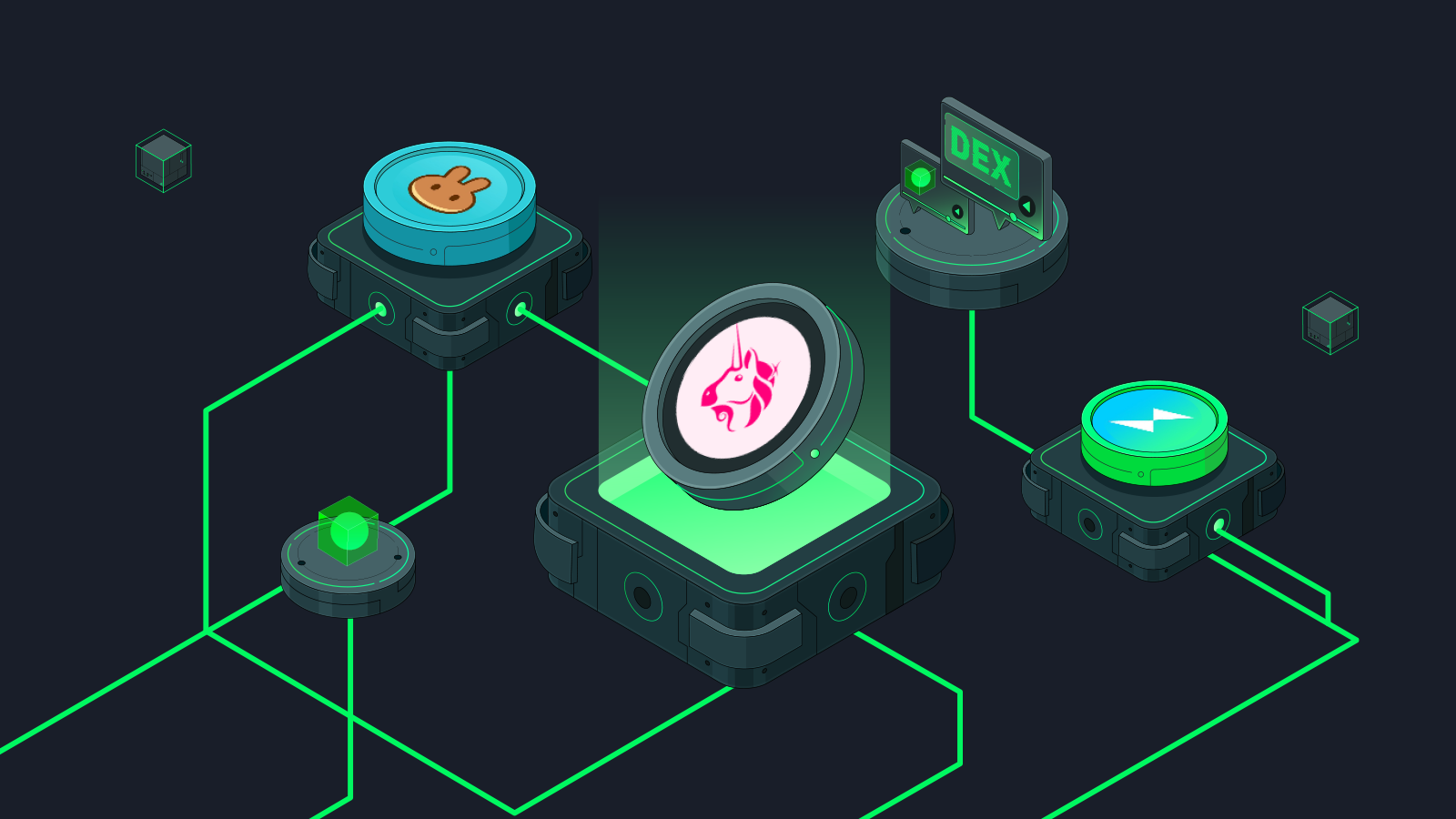
    • Uniswap, SushiSwap, PancakeSwap – Trade tokens without intermediaries.

    Lending & Borrowing Platforms

    Get interest gains and crypto loans from the platforms Aave, Compound, MakerDAO.

    Yield Farming & Staking

    Yearn Finance alongside Curve and Lido allow users to supply liquidity pools of their tokens to access payment rewards from DeFi protocol networks.

    Stablecoins

    Users can access stable assets through DAI and USDT and USDC which link themselves to USD values to reduce exchange rate variations.

    4. Start Trading, Lending, or Staking

    You can initiate DeFi platform usage after mastering their systems and operations.

    • DEXs enable secure trading activities which eliminate central authority-based control protocols.
    • Supplying assets into liquidity pools enables you to collect fees from the pools.
    • Crypto stake involves investing digital assets securely with protocols so that you can get earn rewards.
    • Cryptocurrency owners can borrow stablecoins by using their assets as financing collateral.

    5. Ensure Security & Minimize Risks

    Process security in DeFi remains high-risk due to various hacking and fraudulent activities. Follow these best practices:

    • Hardware wallets serve as the best security measure against theft.
    • The deployment of smart contracts should be verified by users before entering DeFi protocols.
    • Steer clear from fake programs by not trusting suspicious websites that hold fraudulent projects.
    • Different platforms should receive your investment capital instead of relying on just one.
    • Follow professional DeFi news outlets including DeFi Pulse together with CoinGecko to stay updated.

    Conclusion

    The decentralized Finance (DeFi) system creates promising opportunities that let users achieve freedom in their finances while investing and making technological advancements. Crypto novices can enter the DeFi ecosystem safely through the establishment of a crypto wallet together with cryptocurrency purchase and DeFi platform exploration and maintenance of proper security protocols. The growth of DeFi will require constant education about security measures so you can successfully embrace this groundbreaking financial advancement.

  • The Rise of DeFi: How Decentralized Finance is Changing the Financial World

    The Rise of DeFi: How Decentralized Finance is Changing the Financial World

    The financial industry grows more revolutionary through Decentralized Finance (DeFi) because it cuts out traditional financial entities including banks and brokers and traditional financial institutions. Through blockchain technology and smart contracts DeFi provides a decentralized financial solution that enables peer-to-peer financial operations which anyone can access through the internet. This transformative technology modifies global money borrowing and lending operations and trading and investment spheres.

    This guide examines DeFi’s ascent while explaining its operational principles together with its advantages and disadvantages and demonstrates its effect on the financial landscape of the future.

    The Growth of DeFi

    DeFi protocols now host more than billions of dollars across their platforms because of a rapid growth phase that began several years ago. DeFi’s expansion was made possible through the expanding use of blockchain technology together with the rise of cryptocurrencies and the need for financial accessibility. Decentralized finance users find alternative financial solutions by using major platforms like Uniswap, Aave, MakerDAO and Compound.

    How DeFi Works

    DeFi applications (DApps) run on blockchain networks that primarily use Ethereum while being powered by smart contracts which are self-implementing protocols that contain pre-established blockchain-based rules. The DeFi ecosystem operates through several important elements which include the following:

    1. Decentralized Exchanges (DEXs)

    The crypto-trading exchange Uniswap along with SushiSwap and PancakeSwap permit users to conduct cryptocurrency swaps autonomously from any third-party authority.

    Business automation through Automated market makers (AMMs creates liquidity pools in place of traditional order books.

    2. Lending and Borrowing Platforms

    Aave, Compound, and MakerDAO together with other platforms offer users the option to generate interest while lending cryptocurrency assets or become borrowers through mechanisms that require asset-based collateral.

    Delegated contracts both clear up data transparency while also cutting down the necessity of credit evaluations.

    3. Stablecoins

    The DeFi ecosystem allows users to perform transactions with stable crypto assets which are linked to dollar values through examples like USDC, DAI and USDT.

    4. Yield Farming & Staking

    The DeFi space lets users offer their assets to protocols to receive payment based on native token distributions.

    The process of yield farming requires users to optimize their asset movements across various platforms for maximizing returns.

    5. Derivatives & Synthetic Assets

    Users on Synthetix can establish synthetic assets to represent actual financial assets including stocks and commodities and fiat currencies.

    6. Insurance & Risk Management

    DeFi insurance platforms such as Nexus Mutual enable users to obtain coverage protection against both smart contract failures and hacking events through their mutual insurance services.

    Benefits of DeFi

    Through DeFi users gain access to financial services which specifically benefits residents who do not have established banking relationships.

    • The blockchain records all smart contracts along with transactions in a public manner to display transparency while fighting fraud.
    • Because DeFi cuts out middle parties it lowers the expenses involved in regular financial dealings.
    • Users possess the ability to govern their funds independently since they do not need banking institutions to manage their money.
    • Crypto banking services accessible through DeFi provide unrestricted financial support to users who want transnational operations.

    Risks and Challenges of DeFi

    Software bugs within smart contracts produce vulnerabilities which attackers exploit to conduct financial thefts.

    • The future growth of DeFi remains unclear because governments and regulatory bodies need to establish policies to govern this sector successfully.
    • The unpredictable market shifts of cryptocurrency cause collateralized loans and liquidity pools to face uncertainties because of high price volatility.
    • Because DeFi operates as an open network criminals take advantage of its nature to launch deceptive activities targeting users with fraudulent projects.
    • DeFi users must pay a high price when they make mistakes because transactions within the system are permanently executed without possibility of return.

    The Future of DeFi

    Blockchain development shows promise to expand DeFi as well as establish connections between decentralized finance and conventional banking sectors according to the following projections:

    • The implementation of improved smart contract security measures will enhance audit capabilities while protecting against security risks.
    • Government authorities will establish new standards that ensure DeFi operates in a secure manner.
    • Several operating system upgrades including Layer 2 solutions and blockchain expansion networks will create quicker transactions with lower dependency on fees.
    • Traditional financial companies will add DeFi solutions to their services for business improvement.

    Conclusion

    Disruptive DeFi technology now reshapes the financial system through its open and borderless systems that provide traditional banking alternatives. Users who participate in DeFi systems must be aware of the risks along with benefiting from reduced expenses and self-management and unrestricted accessibility across borders. The ongoing development of the DeFi ecosystem today shows promise to reshape finance through a system that provides better accessibility and efficiency for global users.

    People who learn how to use decentralized finance responsibly will discover fresh financial avenues leading towards decentralization of finance.

  • Decentralized Finance (DeFi) Explained: The Future of Banking Without Banks

    Decentralized Finance (DeFi) Explained: The Future of Banking Without Banks

    With Decentralized Finance (DeFi) operations the financial industry transforms because it eliminates financial intermediaries including banks together with brokers and traditional institutions. Blockchains and smart contracts establish peer-to-peer financial services through DeFi which enables open and transparent access to all users who hold an internet connection. The new financial system is transforming the worldwide practices of credit, lending and monetary trading and funding.

    This guide explains what DeFi represents along with its operational mechanisms and its dual advantages and disadvantages before discussing its impact on modern banking systems.

    What is Decentralized Finance (DeFi)?

    A wide variety of blockchain-based financial products known as DeFi operates primarily through the Ethereum network. The DeFi system runs without top-down control and implements smart contracts that use predefined rules that exist on the blockchain network. Users participate in financial operations consisting of loans and borrowing together with trading activities and earning profits while doing away with traditional banking institutions and third parties.

    How DeFi Works

    The DeFi platform’s operation depends on smart contracts which perform automatic transactions once their predefined conditions become satisfied. A description of crucial elements powering the DeFi environment looks like this:

    1. Decentralized Exchanges (DEXs)

    Users can perform cryptocurrency trades through platforms that include Uniswap and SushiSwap with PancakeSwap offering similar functionality.

    AMMs function as automated trading systems that substitute normal order books through liquidity pools.

    2. Lending and Borrowing Platforms

    Aave along with Compound and MakerDAO combine to enable users to generate interest through asset lending while obtaining loans that require collateral.

    Through smart contracts lenders gain complete transparency as well as the elimination of traditional credit checks for borrowing purposes.

    3. Stablecoins

    The DeFi ecosystem supports reduced volatility with the use of stable digital assets which are tied to the US dollar through examples like USDT, USDC, DAI.

    4. Yield Farming & Staking

    All DeFi protocol participants obtain rewards through native token distribution by providing their assets to stake or liquidity pools.

    The process of yield farming requires users to actively shift their assets across different DeFi networks for optimized earnings.

    5. Derivatives & Synthetic Assets

    Synthetix permits users to build and exchange synthetic versions of real-world assets starting from stocks to commodities through fiat currencies.

    6. Insurance & Risk Management

    Through the insurance services of Nexus Mutual users can protect themselves against failures in smart contracts and hacks which decreases their risk exposure.

    Benefits of DeFi

    • The internet’s presence grants universal accessibility to DeFi service use because it removes the requirements of traditional banking institutions.
    • The blockchain public record system displays transactions and smart contracts for full transparency and fraud reduction purposes.
    • Lowering operating expenses becomes possible through DeFi because the system removes traditional third-party financial middlemen.
    • Users hold complete autonomy regarding their funds since they need not depend on banks or financial institutions to manage their assets.
    • DeFi systems provide users with global access to deliver financial services as well as execute cross-border transactions with unrestricted geographical reach.

    Risks and Challenges of DeFi

    • Smart contracts undergo frequent attacks due to security flaws that emerge during development due to bugs in their programming code.
    • The development of regulatory policies by governments and regulators regarding DeFi continues affecting its potential adoption rate.
    • Regarding market fluctuation crypto prices frequently change dramatically because this affects both collateralized loans and liquidity pools.
    • The transparent nature of DeFi lets bad actors establish unlawful projects to defraud participants.
    • DeFi users need to be cautious because the system lacks the ability to reverse transactions which can result in high-cost errors.

    The Future of DeFi

    Blockchain technology development projects predictive of DeFi expansion that will merge with conventional financial systems through different integration methods.

    • Defi systems can achieve safer operations through enhanced monitoring and better protection of smart contracts.
    • Legislative agencies will probably develop guidelines which enable users to adopt DeFi securely.
    • Layer 2 solutions together with new blockchain networks will boost transaction speed while gradually lowering associated fees.
    • Traditional finance institutions will merge DeFi solutions into their operations to provide additional services.

    Conclusion

    Decentralized Finance (DeFi) is modifying the financial industry through its creation of open financial systems without borders which serve as transparent alternatives to traditional banking services. DeFi delivers three advantages to users by reducing expenses in addition to providing self-governance and worldwide services but demands users exercise careful caution against its operational risks. The developing DeFi ecosystem shows promise to transform finance by creating a better financial system that provides open access for people globally

  • DEX 101: How to Swap, Trade, and Earn on Decentralized Exchanges

    DEX 101: How to Swap, Trade, and Earn on Decentralized Exchanges

    Users can now conduct cryptocurrency trading through decentralized exchanges which eliminate the need for mediators while allowing token swapping and trading and passive earning. DEXs function through blockchain technology with smart contracts thus permitting peer-to-peer transactions in an unambiguous and secure operation.This guide describes the process of swapping tokens and trading effectively and generating passive income through DEX platforms.

    Understanding Decentralized Exchanges (DEXs)

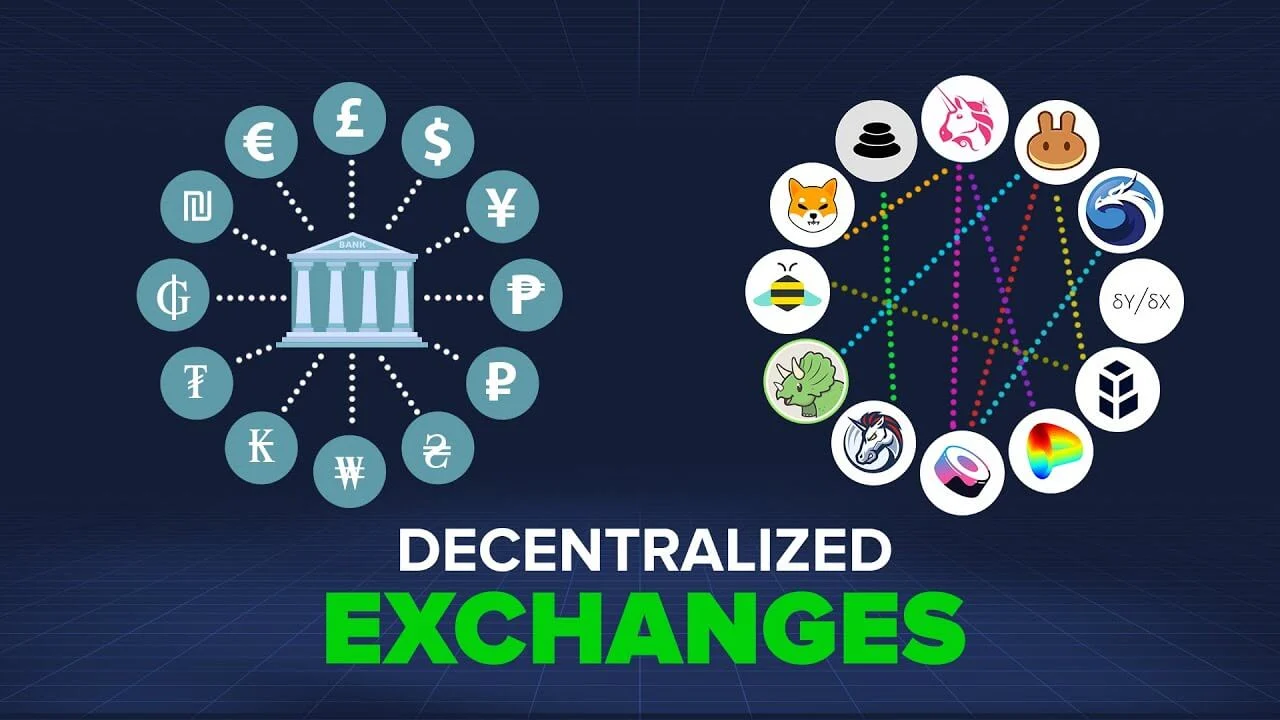
    Decentralized Exchange (DEX) functions as a platform which supports user-to-user cryptocurrency trading without depending on any central intervention. A system of smart contracts runs the transaction processes in a way that maintains user control over their currencies.

    Key Features of DEXs

    DEX users maintain complete authority over their funds because they hold total control over their private keys.

    • Any crypto wallet owner can access DEXs for trading because permissionless access requires no KYC verification.
    • The execution of transactions takes place through smart contracts without human intervention.
    • DEXs operate using two different execution models including matched-making pools and order book systems.
    • The trading platform does not require any user personal information for privacy reasons.

    How to Swap Tokens on a DEX

    DEX users execute token swaps through Automated Market Makers (AMMs) which include platforms like Uniswap, PancakeSwap, SushiSwap among others. Follow these steps:

    Step 1: Choose a DEX

    • Popular DEX platforms include:
    • Uniswap (Ethereum-based)
    • PancakeSwap (Binance Smart Chain)
    • SushiSwap (Multi-chain support)
    • Curve Finance (Stablecoin-focused)
    • Balancer (Customizable liquidity pools)

    Step 2: Connect Your Wallet

    • You need to install any of the Web3-compatible wallets including MetaMask, Trust Wallet or Coinbase Wallet.
    • Your wallet should contain sufficient balance and it must connect to the right blockchain network since Uniswap operates on Ethereum while PancakeSwap uses Binance Smart Chain.

    Step 3: Select Tokens to Swap

    • Select the swap from token and indicate the token you are seeking for receipt.
    • Inspect the exchange rate together with slippage parameters for potential modification.

    Step 4: Confirm the Transaction

    • After clicking Swap your wallet will need approval to proceed with the transaction.
    • The blockchain verification process might extend from a couple of seconds to multiple minutes based on the network traffic at that moment.

    Step 5: Verify the Transaction

    • The wallet balance should verify whether or not the received tokens show up.
    • Check your transaction using blockchain explorers starting with Etherscan and BscScan.

    How to Trade on a DEX

    A DEX allows trading with two options: Automated Market Makers (AMMs) and Order Book DEXs.

    1. Trading with AMMs

    AMMs operate with pools of user funds as opposed to using order books like traditional trading systems. The system accepts asset swaps between users and a shared liquidity pool rather than between investors and specific counterparties.

    Advantages:

    • Instant execution
    • No need for market makers
    • Passive income opportunities for liquidity providers

    Disadvantages:

    • Price fluctuation occurs because of limited market liquidity in DEX trades.
    • The prices of tokens that change unexpectedly may result in impermanent loss that endangers liquidity providers.

    2. Trading on Order Book DEXs

    DEXs that operate with order books enable traders to post both market orders and limit orders through their system.

    Examples:

    • dYdX (Layer 2, Ethereum-based)
    • Loopring (zkRollup-based DEX)
    • Injective Protocol (Cross-chain derivatives trading)

    Advantages:

    • More precise price control with limit orders
    • Lower slippage in liquid markets

    Disadvantages:

    • Requires active order management
    • Can be less liquid than AMMs

    How to Earn on DEXs

    Three methods exist for obtaining passive earnings through decentralized exchanges:

    1. Providing Liquidity

    Fans of the platform that deposit funds into liquidity pools gain automatic royalties from generated pools fees.

    Steps to Provide Liquidity:

    Users must choose a liquidity pool with ETH/USDT tokens available through Uniswap.

    • You need to place exactly the same value of each token in the exchange.
    • Your participation in the pool earns you Liquidity Provider (LP) tokens that represent your stake
    • You will earn trading fees provided your funds stay inside the pool

    Risks:

    • The current pricing movements of tokens in the pool can trigger temporary losses known as impermanent loss.
    • The potential weaknesses in smart contracts function as security threats which may cause financial losses to fund holders.

    2. Yield Farming

    Staking LP tokens as well as cryptocurrencies through yield farming allows users to earn rewards by receiving additional tokens.

    Steps to Start Yield Farming:

    • Users can deposit their funds at PancakeSwap Syrup Pools as a yield farming platform.
    • Using your Stake LP tokens enables you to receive rewards.
    • Users must claim their rewards by periodic intervals before choosing to reinvest or withdraw funds.

    Risks:

    • High volatility of rewards
    • Smart contract vulnerabilities
    • Impermanent loss

    3. Staking

    Users can seize rewards from DEX staking pools when they lock their tokens as investments.

    Examples:

    • People who stake their SUSHI tokens in SushiBar receive xSUSHI rewards through the SushiSwap protocol.
    • Curve Finance lets users stake CRV tokens in order to obtain governance rewards.
    • In PancakeSwap users can stake their CAKE tokens to earn more CAKE units

    Benefits:

    • Lower risk than yield farming
    • Consistent passive income
    • Best Practices for Using DEXs Safely

    Use a Secure Wallet

    Users should store their large token holdings on hardware devices including Ledger and Trezor.

    Protection of your private keys should be absolute and you should never disclose them to anyone.

    Verify Smart Contracts

    Users should verify smart contracts by checking their addresses through Etherscan or BscScan platforms.

    • Avoid unknown or unaudited protocols
    • Adjust Slippage Carefully
    • Lower slippage prevents front-running attacks

    The combination of high slippage results in marketplace execution failures.

    Monitor Gas Fees

    The Etherscan Gas Tracker provides users with tools to prevent paying high fees when using the platform.People should engage in trades when network congestion levels are low.

    Start with Small Trades

    Always test a small transaction first before executing large transactions.

    Stay Informed

    • Maintain the habit of following DeFi news from Twitter and joining Discord groups for staying informed.
    • Users should track both security update releases and regulatory enforcement modifications.

    Future of Decentralized Exchanges

    DEX technology evolves through the addition of new features which include:

    • Layer 2 Scaling: Faster and cheaper transactions (e.g., Arbitrum, Optimism)
    • Cross-Chain Compatibility: Seamless swaps between different blockchains
    • Improved User Experience: More intuitive interfaces for mainstream adoption

    Governments are actively developing regulations which will create a legal framework for DEXs.

    Conclusion

    DEXs provide users with self-governed possession of digital assets which allows them to execute safe and open trading through unregulated interfaces. Using DEXs correctly for swapping and trading as well as earning yields will help you optimize your cryptocurrency investments despite potential risks. Active updates on trends combined with security prioritization should form the foundation of DeFi trading activities.

  • How to Use Decentralized Exchanges (DEX) Safely and Effectively

    How to Use Decentralized Exchanges (DEX) Safely and Effectively

    The financial market undergoes rapid changes thanks to decentralized exchanges (DEXs) which act as key elements in cryptocurrency trading. DEXs provide an autonomous trading platform that runs on blockchain technology because they operate outside of centralized exchanges. This system gives users both security and unrestricted access without needing any third-party involvement. New users alongside experienced traders can use this guide to discover DEX operating principles alongside benefit and drawback analysis and decentralised trading optimization techniques.

    Understanding Decentralized Exchanges (DEXs)

    Regarded as one of the cryptocurrency exchange types DEX functions autonomously without governing oversight. Users engage in direct digital trading by utilizing smart contracts to maintain transparency along with security. DEXs operate without fund possession which means users face reduced risks of hacking and fraudulent activities.

    Key Features of DEXs

    Trading between peers happens in direct fashion since both parties bypass all intermediaries.

    Non-Custodial: Users retain control of their private keys and funds.

    • The system conducts exchange operations automatically through smart contracts that execute contracts themselves.
    • The trading process at DEXs provides unregulated permissionless access to users who hold cryptocurrency wallets so KYC procedures become unnecessary.
    • A public blockchain keeps track of transactions which provides both secure record keeping along with transparent operations.

    How DEXs Work

    The trading system implemented through DEXs depends on blockchain technology as well as smart contracts. The following sequence explains the standard process for securing a DEX trade:

    • The user interface of DEX networks requires users to link their cryptocurrency wallets which can be MetaMask, Trust Wallet or Coinbase Wallet.
    • Users navigate to the trading interface and set their desired pair of tokens such as ETH/USDT and BTC/DAI.
    • The automated smart contract system matches traders’ orders for buying and selling assets whereas users can also execute direct trades by accessing liquidity pools.
    • After blockchain verification occurs the exchanged tokens get automatically delivered to the holding wallet of the user.

    Types of DEXs

    1. Automated Market Makers (AMMs)

    AMMs set their prices through a system which combines pool assets with tech algorithms. Dex users execute their trades against pool-based liquid assets rather than performing direct trades against other platform participants.

    • Examples: Uniswap, SushiSwap, PancakeSwap
    • Pros: High liquidity, passive income for liquidity providers
    • Cons: Impermanent loss, high slippage in low liquidity pools

    2. Order Book DEXs

    DEXs maintain a design similar to conventional exchanges by connecting buyers and sellers through their order book system.

    • Examples: dYdX, Loopring
    • Pros: More control over trade execution, less slippage
    • Cons: Requires more active trading strategies

    3. Hybrid DEXs

    The hybrid DEX model implements features from order book technology to integrate with AMM methodology and produce superior system performance.

    • Examples: Serum, Injective Protocol
    • Pros: Faster transactions, lower fees
    • Cons: More complex mechanisms

    Benefits of Using DEXs

    • DEXs enhance user security because they do not store funds within a unified wallet system.
    • DEX users retain complete dominance over their monetary assets.
    • Charts offer privacy to traders because KYC requirements do not exist on these platforms.
    • DEXs normally add newly emerging tokens to their platforms before centralized exchanges recognize them.
    • The internet accessibility allows anybody worldwide to participate which broadens financial opportunities for all individuals.

    Challenges and Risks of DEX Trading

    • DEX trading presents several difficulties that all participants need to handle.
    • Vulnerabilities within smart contracts due to bugs result in exploits.
    • DEX trading on Ethereum-based platforms involves high costs due to congestion-related gas fees.
    • Liquidity providers face potential asset price-driven losses through impermanent loss.
    • DEX interfaces often pose difficulty for novice traders because they have complicated user interfaces.
    • Some token markets display restricted liquidity because it creates substantial slippage in their transactions.

    How to Use Decentralized Exchanges (DEX) Safely and Effectively

    1. Use a Secure Wallet

    The selection of MetaMask or Trust Wallet or Ledger as your wallet choice ensures maximum security. The storage of your private keys should always stay secure and you must avoid giving anyone access to them.

    2. Verify the DEX Platform

    Verify both the integrity and auditing process of the DEX platform that you plan to use. Need to avoid phishing attempts while accessing the official website because it helps prevent scams.

    3. Enable Security Features

    Users should enable MFA security measures wherever possible since using hardware wallets with antivirus software installed on protected devices promotes better security practices.

    4. Understand Gas Fees

    Always inspect gas charges before conducting a transaction by timing the trade appropriately. Too much network congestion may lead to unreasonable transaction expenses.

    5. Review Smart Contracts

    Verify smart contracts for new tokens or liquidity support by using Etherscan or BscScan platforms in order to detect potential scams.

    6. Use Slippage Control

    Cautious attention must be given to slippage settings because vigorous adjustments will avoid major losses in volatile conditions. Low slippage values create failed transactions but high slippage values produce unfavorable trades.

    7. Start with Small Trades

    You should start with modest transactions when introducing yourself to a DEX because this helps test both the system and prevents big monetary losses caused by mistakes.

    8. Exercise Caution Against Projects That Perform Rug Pulls and Scams

    Make sure to research both tokens and projects before starting any investment. Investors should steer clear from pools or tokens where developers stay hidden because there is no published roadmap and they have unknown backgrounds.

    9. Monitor Your Transactions

    A routine review of wallet transactions and historical record will help confirm only authorized activities have taken place. You should monitor your blockchain transactions through the use of explorers.

    10. Stay Informed

    The DEX ecosystem requires users to stay informed by following reliable DeFi news outlets alongside community discussions and security updates so they can operate effectively.

    Strategies for Successful DEX Trading

    1. Understand Liquidity Pools

    Check the liquidity levels of an AMM-based DEX before trading because high slippage could occur.

    2. Monitor Gas Fees

    The Ethereum gas prices can be tracked through Etherscan and GasNow so that you can perform trades when fees reach low points.

    3. Use Limit Orders (if available)

    The trading platforms dYdX and Loopring provide their users opportunity to set limit commands to improve trade completion rates.

    4. Diversify Your Portfolio

    To prevent maximum loss you should distribute your assets between multiple tokens which span across multiple blockchain networks.

    5. Stay Updated on Market Trends

    Check DeFi news sources together with Twitter and Discord groups to track upcoming events and new token releases.

    Future of Decentralized Exchanges

    The advancements in DEX trading create a positive picture of its future development.

    • Layer 2 scaling solutions implement technology that decreases gas expenses concurrently enhancing protocol operational speed.
    • Thorchain project represents one such integration that establishes trading connectivity across multiple blockchain platforms.
    • Improved User Interfaces represent the ongoing development of DEXs dedicated to attract mainstream traders.
    • Government institutions work to develop regulatory frameworks regarding decentralized finance (DeFi) that might affect DEX functions.

    Conclusion

    Those who want to excel at DEX trading need a thorough knowledge of decentralized finance (DeFi), smart contracts and methods to manage risks in the market. Staying up to date with market shifts alongside optimal trading techniques and knowing industry best practices enables users to thrive in decentralized exchange operations effectively.

  • Mastering Decentralized Exchanges: A Beginner’s Guide to DEX Trading

    Mastering Decentralized Exchanges: A Beginner’s Guide to DEX Trading

    The cryptocurrency trading field keeps advancing at a quick pace because decentralized exchanges (DEXs) stand as essential means to modify financial markets’ structure. DEXs provide users with a trustless and permissionless trading environment because blockchain technology powers their secure decentralized operation. Users do not need to transfer funds to centralized exchanges (CEXs) for them to manage assets. This guide teaches beginners and experienced traders about DEX fundamentals alongside their pros and cons and gives mastery methods for decentralized trading.

    Understanding Decentralized Exchanges (DEXs)

    The Decentralized Exchange (DEX) operates as a cryptocurrency exchange that functions without needing any central authority governing its operations. Through smart contracts users can complete direct digital trade transactions because the platform provides both security and transparent trading operations. DEXs function without user fund custody while maintaining operational security since they avoid holding customer assets.

    Key Features of DEXs

    Users conduct trading exchanges as peers directly to each other without dependency on third parties known as intermediaries.

    Non-Custodial: Users retain control of their private keys and funds.

    • Smart contracts programmed to execute automatically handle all trades on the system.
    • Cryptocurrency wallet owners eliminate the need for KYC requirements to participate in DEX trading operations.
    • The public nature of blockchain enables users to verify transactions because every transaction remains permanent while being visible to everyone.

    How DEXs Work

    The operation of DEXs depends on blockchain technology together with smart contracts for executing trades. The following is an ordered explanation of typical DEX trading operations:

    • A DEX lets users link any cryptocurrency wallet that includes MetaMask or Trust Wallet or Coinbase Wallet through Wallet Connection.
    • The platform allows users to choose trading pairs between cryptocurrency tokens (ETH/USDT, BTC/DAI).
    • During trades the smart contract operates two functions either by matching users’ orders or letting them engage with liquidity pools directly.
    • Users reach transaction confirmation on the blockchain which enables the system to transfer the exchanged tokens to their wallet.

    Types of DEXs

    1. Automated Market Makers (AMMs)

    The pricing for assets in AMMs happens through combination of pooled liquidity and mathematical algorithms. Users conduct their trading activities against pools serving as liquidity providers instead of trading directly with fellow traders.

    • Examples: Uniswap, SushiSwap, PancakeSwap
    • Pros: High liquidity, passive income for liquidity providers
    • Cons: Impermanent loss, high slippage in low liquidity pools

    2. Order Book DEXs

    DAOs run their DEX operations analogously with conventional exchanges by serving as an intermediary platform between traders through order book functionalities.

    • Examples: dYdX, Loopring
    • Pros: More control over trade execution, less slippage
    • Cons: Requires more active trading strategies

    3. Hybrid DEXs

    Hybrid DEX platforms attempt to deliver enhanced efficiency and better liquidity by integrating AMM protocols with order book mechanisms.

    • Examples: Serum, Injective Protocol
    • Pros: Faster transactions, lower fees
    • Cons: More complex mechanisms

    Benefits of Using DEXs

    Security rises because consumers store monetary funds off-site rather than placing them in a shared wallet.

    • Native users can exercise absolute control to manage every asset they own.
    • Anonymity and privacy in trading emerge because users avoid submitting KYC documentation to exchanges.
    • DEX platforms support freshly launched tokens before centralized trading exchanges create listings of them.
    • Internet users can easily engage in DEX trading because of global accessibility which enhances financial inclusion for all users.

    Challenges and Risks of DEX Trading

    DEX trading introduces difficulties which all traders need to handle because of the following factors:

    • A critical risk of smart contract trading comes from programming faults which hackers use to gain power.
    • Ethereum-based DEXs require high gas fees because the Ether network faces congestion problems.
    • Providing liquidity to a DEX trading system might result in permanent losses because significant price movements affect held assets.
    • DEX interfaces pose challenges for novice traders because they tend to provide advanced interface designs.
    • The limited liquidity of specific tokens results in high slippage because their markets show poor liquidity behavior.

    Getting Started with DEX Trading

    1. Choose a Crypto Wallet

    DEX trading requires users to possess at least one non-custodial wallet including the following choices:

    • MetaMask (Ethereum & BNB Chain)
    • Trust Wallet (Multi-chain support)
    • Coinbase Wallet (User-friendly interface)

    2. Fund Your Wallet

    Users can start by buying cryptocurrency on a centralized exchange before they receive funds from alternative wallets. Before starting your DEX trading operation ensure the availability of native network tokens like ETH or BNB along with essential funding.

    3. Select a DEX

    • Popular DEXs include:
    • Ethereum-based: Uniswap, Sushiswap
    • Binance Smart Chain (BSC): PancakeSwap
    • Solana: Serum, Raydium

    4. Start Trading

    • Initiate wallet connection with the DEX platform
    • Choose the pair of tokens which will serve as the trading basis
    • Proceed to enter the desired amount then inspect the transaction information before final confirmation.
    • Complete the transaction by paying necessary network fees while confirming the process.

    Strategies for Successful DEX Trading

    1. Understand Liquidity Pools

    You should examine the liquidity levels when trading with AMM-based DEXs to prevent unanticipated price changes caused by slippage.

    2. Monitor Gas Fees

    Users should track Ethereum gas prices by using Etherscan or GasNow services to identify optimal times for trading.

    3. Use Limit Orders (if available)

    DEX platforms dYdX and Loopring provide their users with the capability to execute better trades through limit order functionality.

    4. Diversify Your Portfolio

    To reduce risk in your investments you should distribute funds among multiple tokens present in various blockchain platforms.

    5. Stay Updated on Market Trends

    Join various DeFi news sources, Twitter, Discord groups to get ahead of upcoming market developments and token launches.

    Future of Decentralized Exchanges

    The upcoming trends for DEX trading appear positive despite these developments:

    • Performances on Layer 2 protocols deliver both cheaper transaction costs and faster deal processing times.
    • Thorchain represents one example of current projects which establish cross-chain connectivity between multiple blockchain networks.
    • DEX developers are creating enhanced interface systems which attract commercial traders to their trading platforms.
    • Various governments currently work toward defining regulatory structures of decentralized finance (DeFi) platforms to potentially shape the operations of DEX platforms.

    Conclusion

    To succeed in DEX trading one needs to know everything about decentralized finance (DeFi) as well as smart contracts and risk management techniques. DEXs maintain fund security and enable transparency together with user control of money while users face issues with high gas expenses and risks stemming from smart contracts. Best practices combined with market trend awareness and strategic trading methods allow users to succeed in decentralized exchange operations thus enhancing their crypto trading experience.