Day: March 6, 2025

  • From Frontend to Backend: Becoming a Full Stack Developer

    From Frontend to Backend: Becoming a Full Stack Developer

    Tech companies seek Full Stack Developers because they can develop both frontend and backend application components and consequently lead to their high market demand. Full Stack professionals demonstrate complete capability to develop whole operational web applications throughout their development process. The following guide provides all the necessary skills alongside required technological knowledge to help you develop into a Full Stack Developer.

    1. Understanding Full Stack Development

    a. What is Full Stack Development?

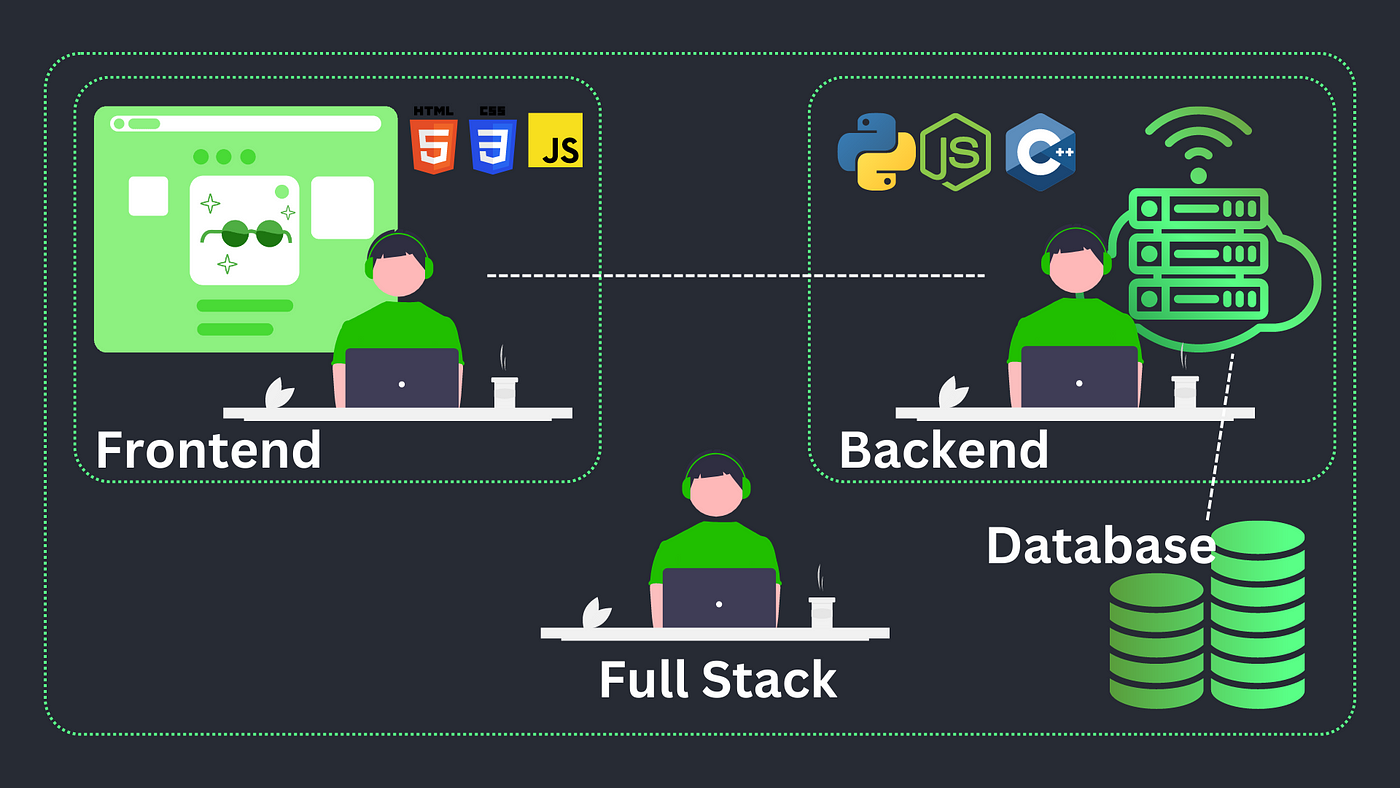
    Developers who practice Full Stack Development execute functions on website frontends known as clients alongside operations on web server backends. Complete application creation and maintenance becomes possible for a Full Stack Developer who does not require extra specialists.

    b. Why Become a Full Stack Developer?

    • High demand in the job market
    • Full Stack Developers have the ability to operate efficiently through various technological systems.
    • Increased earning potential
    • As an independent developer one can build fully functional applications.

    2. The User Interface receives its development from Frontend developers.

    a. Essential Technologies

    Frontend developers focus on providing users excellent interactions when utilizing websites or web applications. Key technologies include:

    • HTML5 – Defines the structure of web pages.
    • CSS3 – Adds styles and responsiveness.
    • JavaScript (ES6+) – Enables interactivity.
    • Responsive Design – Ensures compatibility across devices.

    UI Frameworks & Libraries:

    • React.js – Popular for dynamic applications.
    • Vue.js – Lightweight and flexible.
    • Angular – Robust for enterprise applications.

    b. Frontend Tools

    • CSS Preprocessors: SASS, LESS
    • Package Managers: npm, Yarn
    • Version Control: Git, GitHub
    • Testing: Jest, Cypress, Mocha

    3. Backend Development: Powering the Application

    a. Backend Programming Languages

    The mechanical section of the application operates as the central hub for executing logical operations while communicating with databases and implementing API systems. Popular choices include:

    • Node.js (JavaScript) – Popular and scalable.
    • Python (Django/Flask) – Simple and powerful.
    • Ruby on Rails – Efficient for startups.
    • Java (Spring Boot) – Ideal for large-scale applications.

    b. APIs & Authentication

    • RESTful APIs – Standard for data communication.
    • GraphQL – Flexible data querying.

    Authentication & Security:

    • OAuth, JWT, Passport.js
    • Encryption and HTTPS

    c. Database Management

    The primary function of databases is to store and control application information.

    Relational Databases (SQL):

    MySQL, PostgreSQL

    NoSQL Databases:

    MongoDB, Firebase

    Object-Relational Mappers (ORMs):

    Sequelize (Node.js), TypeORM, Mongoose

    d. Backend Tools

    • API Testing: Postman, Insomnia
    • Cloud Storage: AWS S3, Firebase
    • Authentication: Firebase Auth, Auth0

    4. Deployment & DevOps

    a. Hosting and Deployment

    Cloud providers consist of AWS together with Google Cloud and DigitalOcean.

    Server & Hosting: Heroku, Vercel, Netlify

    b. DevOps & CI/CD

    • Containerization: Docker, Kubernetes
    • Monitoring: Prometheus, ELK Stack
    • CI/CD Pipelines: GitHub Actions, Jenkins

    5. Full Stack Developer Best Practices

    a. Code Quality & Maintainability

    Follow coding standards (ESLint, Prettier).

    Develop code which follows DRY principles through modularity while avoiding code duplication.

    b. Security Best Practices

    Use hashed passwords.

    Implement role-based access control (RBAC).

    c. Performance Optimization

    Both image optimization techniques and decreased HTTP request number should be implemented.

    Use caching (Redis, Memcached).

    d. Documentation & Collaboration

    Maintain clear API documentation.

    A version control system based on Git will provide necessary collaboration capabilities.

    6. Learning Resources & Roadmap

    a. Online Courses & Tutorials

    • Frontend: FreeCodeCamp, The Odin Project
    • Backend: Udemy, Coursera
    • Full Stack: Harvard’s CS50, Full Stack Open

    b. Practice Projects

    To-Do App (CRUD operations)

    • Users will find access through the Blogging Platform while comments and likes also function within this service after authentication.
    • E-commerce Store (Payment integration)
    • Real-time Chat App (Socket.io, WebSockets)

    Conclusion

    Complete mastery of different technologies alongside best practices constitutes the essential requirements to become a Full Stack Developer. A path combination chart alongside continuous education will enable you to develop strong applications that drive tech career advancement.
  • Full Stack Developer Roadmap: Skills, Tools, and Best Practices

    Full Stack Developer Roadmap: Skills, Tools, and Best Practices

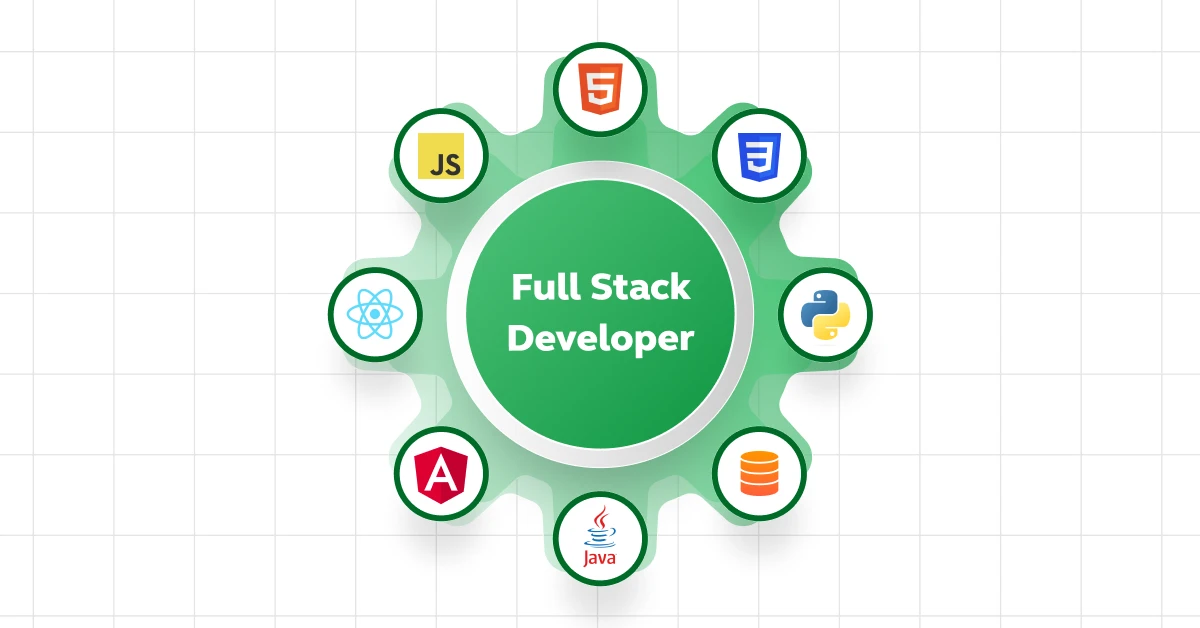
    A Full Stack Developer has mastery over creating complete web applications since they possess capabilities in both front-end development alongside back-end development. Understanding the important skills and tools and established methods becomes vital when pursuing success in development work because the demand for qualified developers expands continually. The advisory outlines a direction path for prospective Full Stack Developers through essential technology and framework information and methodological approaches.

    1. Understanding Full Stack Development

    a. What is Full Stack Development?

    Full Stack Development means developing the entire web application by working between client-side programming for front-end and server-side programming for back-end components that include database systems and APIs with deployment tools.

    b. Why Become a Full Stack Developer?

    • High demand in the job market
    • The ability to work across several development levels offers a developer versatile operational capabilities.
    • Better understanding of complete software projects
    • The field enables better employment choices together with elevated financial prospects.

    2. Essential Skills for a Full Stack Developer

    a. Front-End Development

    The front end focuses on the user interface and user experience. Key technologies include:

    • HTML5 – Structure and content
    • CSS3 – Styling and layout
    • JavaScript (ES6+) – Dynamic functionality
    • Responsive Design – Ensuring mobile and cross-browser compatibility
    • Frameworks & Libraries:
    • React.js (Most popular for modern applications)
    • Vue.js stands out among other libraries because it offers both lightweight design and easy learnability.
    • Angular (Enterprise-level applications)

    b. Back-End Development

    Logic together with database connectivity and server-side operations take place within the back end. Important technologies include:

    Programming Languages:

    • Node.js (JavaScript runtime for server-side development)
    • Python platform through Django/Flask presents both an easy learning experience and broad market adoption.
    • Ruby on Rails (Popular for startups and rapid development)
    • Java (Spring Boot) (Robust for large-scale applications)

    APIs & Web Services:

    • RESTful APIs (Standard for web communication)
    • GraphQL (Flexible API queries)

    Authentication & Security:

    • OAuth, JWT, Passport.js for secure login systems
    • Encryption, SSL/TLS, and HTTPS for security

    c. Database Management

    Databases hold and regulate application data storage. Key options include:

    Relational Databases (SQL):

    • MySQL (Popular open-source database)
    • PostgreSQL (Advanced SQL database with JSON support)

    NoSQL Databases:

    • MongoDB (Document-oriented, great for scalability)
    • Firebase (Real-time NoSQL database)

    ORMs (Object-Relational Mappers):

    • Sequelize (for Node.js)
    • TypeORM (TypeScript-based)
    • Mongoose (for MongoDB)

    d. Version Control & Collaboration

    • Git & GitHub/GitLab/Bitbucket (Code management and collaboration)
    • The repository uses various branching methods that include Git Flow and Feature Branching among others.

    e. DevOps, CI/CD & Deployment

    Development services operate through the cloud systems maintained by AWS and Google Cloud and Microsoft Azure.

    • CI/CD Pipelines: GitHub Actions, Jenkins, GitLab CI/CD
    • Containerization: Docker, Kubernetes
    • Server & Hosting: Nginx, Apache, Netlify, Vercel

    f. Soft Skills

    • Problem-Solving: Debugging and logical thinking
    • Communication: Collaboration with designers, PMs, and clients
    • Efficient time management enables developers to deal with various responsibilities alongside their fixed deadlines.

    3. Essential Tools for Full Stack Development

    a. Front-End Tools

    The preferred code editor options include VS Code and Sublime Text.

    • CSS Preprocessors: SASS, LESS
    • Package Managers: npm, Yarn
    • Testing Frameworks: Jest, Mocha, Cypress

    b. Back-End Tools

    • API Testing: Postman, Insomnia
    • Database Management: Adminer, MongoDB Compass
    • Authentication: Firebase Authentication, Auth0

    c. DevOps & Deployment Tools

    • Virtualization: Docker, Kubernetes
    • The configuration includes Prometheus alongside ELK Stack for monitoring and logging purposes.
    • The hosting platforms include AWS and DigitalOcean together with Heroku and Vercel.

    4. Full Stack Developer Best Practices

    a. Code Quality & Maintainability

    • The code should be written with modularity in mind while maintaining DRY principles and cleanliness.
    • Follow coding standards and conventions.
    • Code consistency will be maintained through running linters including ESLint and Prettier.

    b. Security Best Practices

    • Use hashed passwords with bcrypt.
    • Implement role-based access control (RBAC).
    • Relationships with third-party suppliers should receive regular updates because dependency vulnerabilities could occur.

    c. Performance Optimization

    • The optimization of HTTP requests should be combined with imagination regarding image formats.
    • Use caching techniques (Redis, Memcached).
    • The system needs to include lazy loading functionality to achieve better performance rates.

    d. Documentation & Collaboration

    • Every project needs to have an active README.md file as part of standard documentation.
    • The documentation system must contain clear API descriptions which should follow the standards defined by Swagger or OpenAPI.
    • Communicate effectively in team environments.

    5. Learning Resources & Roadmap

    a. Online Courses & Tutorials

    Frontend: FreeCodeCamp, The Odin Project

    Backend: Udemy, Coursera, Pluralsight

    Full Stack: Harvard’s CS50, Full Stack Open

    b. Books

    • “Eloquent JavaScript” – Marijn Haverbeke
    • The educational material “You Don’t Know JS” originated from the teachings of Kyle Simpson.
    • “The Pragmatic Programmer” – Andrew Hunt & David Thomas

    c. Practice Projects

    • To-Do App (CRUD operations)
    • Users on the platform require authentication along with comment and like features.
    • E-commerce Store (Payment integration, order management)
    • Real-time Chat App (Socket.io, WebSockets)

    Conclusion

    A Full Stack Developer needs to effectively master extensive technological knowledge in addition to various expertise. You can develop reliable web applications to succeed in the tech industry by using this plan and mastering essential tools while following industry standards. The ability to learn continuously together with practical projects will determine your success as a developer in this fast-changing technological landscape.