
Day: February 27, 2025

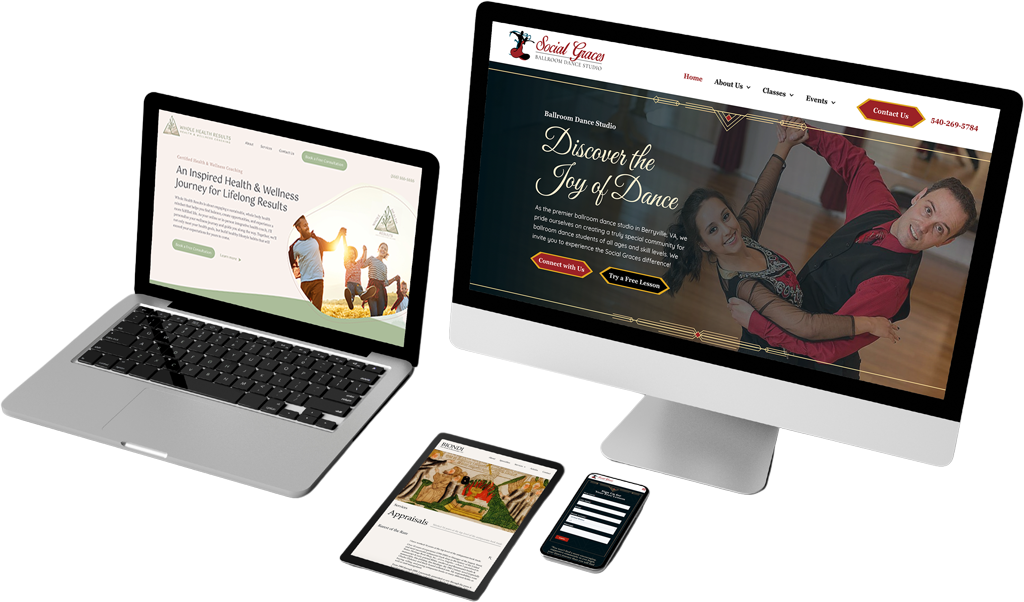
  • Website UI Tiles – Design elements or grid-based layouts for a website.

    Website UI Tiles – Design elements or grid-based layouts for a website.

    The design elements called UI tiles serve multiple functions because they organize content effectively while improving both user experience and design appearance of websites. The tile structure when arranged through grid-based layouts enhances both site navigation and user engagement and website scalability. The digital age requires businesses and other entities to maintain visually attractive websites with well-arranged structures for personal and corporate projects. The implementation of UI tiles serves as the cornerstone to achieve this objective since designers can build dynamic systems that create flexible interactive interfaces which lead users to experience effortless browsing.

    What Are Website UI Tiles?

    The modular design elements referred to as Website UI tiles function as organizational tools that establish structure on web pages. The structured grid with related content along with card format enables a seamless interface delivery while maintaining visual harmony. Website UI tiles provide space for different combinations of text content alongside images as well as icons and buttons and interactive elements.

    Key Features of UI Tiles

    • A website’s UI tiles show flexibility because they exist in multiple configurations regarding size dimensional choices and design styles which align with brand guidelines.
    • Consistency is achieved through these elements because they use one single design method through all website pages.
    • The user interface tiles maintain responsive behavior that allows them to adapt automatically to various display sizes for consistent viewing on desktops and tablets as well as mobile screens.
    • The right tile design engages users to participate with content which in turn improves satisfaction along with retention of users.
    • Organizations benefit from UI tiles since these interface elements allow them to increase website content without breaking the design or compromising user experience dynamics.

    Benefits of UI Tiles

    UI tiles form an easy-to-use interface because they serve multiple functions from content presentation to interactive elements. They offer numerous benefits, including:

    Appeal1. Enhanced Readability and Visual 

    A well-organized structure of UI tiles provides users with quick information detection and simple comprehension of content elements. Designers achieve better readability by arranging elements with clean layouts together with proper spacing measures to avoid visual confusion.

    2. Improved Navigation and Accessibility

    Users can clearly navigate between website sections using tiles they can click on which feature descriptive labels. The accessibility of essential content becomes better through UI tiles because they display vital information in organized formats users can understand readily.

    3. Increased User Engagement

    The addition of interactive buttons along with visual effects and animated graphics through embedded content stimulates website users to dive into further web exploration. Interaction with UI tiles helps both increase the duration of user sessions and decrease the number of users who leave the website.

    4. Mobile-Friendly and Responsive Design

    The grid-based format of UI tiles enables automatic size flexibility which produces tailored screens optimized for mobile users.

    5. SEO and Performance Optimization

    Structured UI tiles help websites stay well-organized thus they improve website performance and search engine rankings while reducing site speed times. The right application of tile-based design enhances website execution while allowing users to find and discover needed content.

    Best Practices for UI Tile Design

    Web designers should adopt the following best practices to develop effective UI tiles for effective design outcome.

    1. Maintain Consistency

    • A standard grid system should be applied because it keeps all tiles correctly positioned.
    • The tiles should use one universal typography along with one consistent color scheme.

    2. Use High-Quality Visuals

    • Web designers should enhance the image and video content by optimizing their quality with speed optimization techniques.
    • The website performance suffers from the implementation of multiple visual designs which slow down the website.

    3. Prioritize Responsiveness

    • Tiles need to be created with adjustable measures that work across multiple screen resolutions including diverse devices.
    • Implement CSS Grid and Flexbox to produce adaptable and elastic dimensions in your website layout.

    4. Optimize for Accessibility

    • The text readability needs proper contrast ratio to be effective.
    • Images require ALT tags to enhance accessibility since they allow users with vision disabilities to understand visual content.

    5. Focus on User Interaction

    • Implement hover effects, animations, or micro-interactions for engagement.
    • The clickable tiles must show obvious visual confirmation to users.

    Types of Website UI Tiles

    The User Interface contains multiple tile types which fulfill different serving functions. Below are some common categories:

    1. Content Tiles

    Textual and multimedia content presented through content tiles can be observed in blogs and educational websites and news portals. Each tile on the user interface shows previews of articles together with headlines and condensed summaries of the content.

    2. Navigation Tiles

    The user flow remains smooth along with accessibility when navigation tiles are used to provide instant access to website areas. These tiles can be spotted on both dashboards and landing page interfaces.

    3. Product Display Tiles

    Online stores display their products through tiles which combine visible elements between graphics and price labels and structured links that guide users to perform actions. Through their unique design the tiles simultaneously enhance customer satisfaction along with increasing sales numbers.

    4. Call-to-Action (CTA) Tiles

    The purpose of CTA tiles is to encourage website visitors to execute specified actions from becoming subscribers to making purchases. The tiles rely on big graphical elements they present with striking colors and noticeable buttons.

    5. Interactive Tiles

    Various user-controlled tiles supply active content that includes streaming video feeds together with customer recommendations and integrated multimedia elements or media. The elements present on the website create user engagement and make the site more exciting to explore.

    Implementing UI Tiles

    Developers who want to implement UI tiles have several technology options that can be used.

    Conclusion

    The usability together with aesthetics and functionality of websites depends heavily on website UI tiles as fundamental design elements. Web interfaces that incorporate tiles supply designers with a systematic approach to create scalable modern designs which serve content presentation alongside leading visitors between pages and enabling active participation. A website achieves usability and friendliness through best practices which combine consistency maintenance and user interaction.
  • Website Development Packages – Different service tiers for website creation.

    Website Development Packages – Different service tiers for website creation.

    Justification for well-designed websites has become crucial today for all businesses that seek to establish their digital authority. All websites do not need to have the exact set of complexities and features. Website development packages represent the solution for this need. Different business requirements receive specialized packages which maximize clients’ investment money.

    We will study multiple service packages designed for website development while explaining included features along with business selection methods in this discussion.

    Understanding Website Development Packages

    Companies organize website development packages to demonstrate what website features customers obtain along with their associated costs and delivery services. The different business requirements and budget sizes find their match in these standardized packages. The market offers three standard types of website development packages which include basic packages for starters and standard packages forャিぐens

    • Basic Website Package (Ideal for Startups & Small Businesses)
    • Standard Website Package (Perfect for Growing Businesses)
    • E-commerce Website Package (Best for Online Stores)
    • Custom Website Package (Tailored for Unique Business Needs)
    • Enterprise Website Package (For Large Corporations & High-Traffic Websites)

    Packages within these options contain stepwise improvement of features which follow client needs regarding functionality and scalability and customization capabilities.

    1. Basic Website Package

    Startups as well as freelancers along with small businesses can find the Basic Website Package suitable for developing their web presence without making large-scale investments.

    Features:

    The package supports one to five web pages that consist of Home, About, Services, Contact and Blog.

    • Mobile-Friendly Responsive Design
    • Basic SEO Setup (Meta Tags, Sitemap, Google Analytics Integration)
    • Standard Contact For
    • Domain & Hosting Assistance (if required)
    • SSL Certificate for Website Security

    Who Should Choose This Package?

    • Startups & Local Businesses
    • Personal Blogs
    • Small Service Providers
    • Cost Range: $300 – $1,000

    2. Standard Website Package

    Small businesses including those of medium scale should choose this package as it provides more features with improved design solutions and better performance capabilities.

    Features:

    • 5-15 Web Pages
    • Customized Design with Branding Elements
    • Advanced SEO Setup
    • CMS (Content Management System) Integration (WordPress, Joomla, etc.)

    The Contact Forms together with Live Chat feature belongs to this package

    • Basic Speed Optimization
    • Social Media Integration
    • Google My Business Setup

    Who Should Choose This Package?

    • Small to Medium Businesses
    • Professional Service Providers (Doctors, Lawyers, Consultants)
    • Bloggers with High Traffic
    • Cost Range: $1,000 – $3,000

    3. E-commerce Website Package

    A business requiring online sales capabilities should opt for the E-commerce Website Package as the most suitable solution.

    Features:

    • Fully Functional Online Store
    • Product Pages & Category Setup
    • Payment Gateway Integration (PayPal, Stripe, etc.)
    • Shopping Cart & Checkout System
    • Inventory Management
    • Customer Login & Dashboard
    • Security Features (SSL, Firewall, Anti-fraud Tools)
    • Email Marketing & CRM Integration

    Who Should Choose This Package?

    • Retail Businesses
    • Dropshipping Stores
    • Entrepreneurs Selling Digital or Physical Products
    • Cost Range: $2,500 – $10,000

    4. Custom Website Package

    This package exists for businesses alongside individual clients needing special custom design options coupled with integrated advanced features.

    Features:

    • Unlimited Web Pages
    • Fully Custom Design & Development
    • API Integrations (CRM, ERP, AI Chatbots, etc.)
    • Mobile App Synchronization (if needed)
    • High-End Security Measures
    • Performance Optimization & Scalability
    • Custom Dashboard & Admin Panel

    Who Should Choose This Package?

    • Businesses with Unique Needs
    • SaaS Companies
    • Large Service-Based Companies
    • Cost Range: $5,000 – $50,000

    5. Enterprise Website Package

    The Enterprise Website Package serves computing needs of big companies together with active platforms which require superior protection and high operational efficiency.

    Features:

    • AI-Powered Website Solutions
    • Multi-Language & Multi-Currency Support

    This package offers advanced hosting solutions that include Advanced Server Hosting Solutions (AWS, Dedicated Servers, Cloudflare CDN).

    • High-Level Security Compliance (PCI DSS, GDPR, etc.)
    • Custom Data & Analytics Reporting
    • 24/7 Technical Support & Maintenance

    Who Should Choose This Package?

    • Large Enterprises
    • Government & Corporate Websites
    • High-Traffic Online Magazines & News Portals
    • Cost Range: $10,000 – $100,000+
    • An acceptable option involves selecting the right package for website development
    • Your company should base their decision on these factors when choosing the right website development package.
    • The investment amount for your website represents a key deciding element.
    • Men and women planning website goals must determine what their site should accomplish.

    Scalability: Will your website need future upgrades or expansions?

    The required functions of your system include a basic portfolio or a complete e-commerce solution or advanced platform features.

    • Your company requires sustaining website management and technical support
    • Additional Services in Website Development Packages
    • The majority of web development agencies include performance-enhancing features as add-ons such as:

    SEO Optimization – Helps your site rank higher on search engines.

    Writers who produce content and integrate blogs create engaging material which attracts potential visitors.

    • A website needs regular maintenance and security updates as well as security patches for protection.
    • The package includes Marketing Integration elements of email marketing alongside PPC advertisements and social media promotional capabilities.
    • The combination of custom branding together with logo design helps your brand achieve distinct recognition.

    Conclusion

    The success of online business requires investing in the proper website development package. Each eversed visitor has the chance to discover packages perfectly suited for their project requirements from a simple startup website to advanced corporate needs.

    Before making your decision evaluate your objectives by seeking professional advice while selecting a plan that provides adaptability alongside growth possibilities along with enduring benefits. Businesses with high-quality developed websites acquire more than mere digital assets because these tools empower business growth.